QUESTION: What colours should I use for a pastel colour palette?
ANSWER: Pastel colour palettes should use predominantly light, airy colours, that feel elevated, but calm.
Have an upcoming project that needs a new palette?
I love the process of picking colour palettes for a project, and everything behind the scenes (AKA the EMOTIONS I want people to feel) that goes into deciding what I’ll use. Whether I’m decorating a room, creating a new surface pattern, or working on a clients’ brand, I tend to start the same way. It’s ALWAYS rooted into the emotions that I want the viewer/experiencer/user to feel when they’re interacting with that thing.
And I get it – not everyone loves that process! Sometimes it’s just straight up easier to have a starting point. So today, we’re going to talk about pastel palettes, how you can build them, a pro tip I LOVE for creating cohesive pastel palettes, and a few things you can do to make sure you’re using your pastel palette properly in application, if it’s for a brand!
Balancing multi-hue palettes is complex
Realistically, balance in ANY colour palette is delicate, especially if you’re trying to be intentional about the emotions that you communicate through those colour choices. In my opinion, it’s a lot easier to balance a palette that falls into the monochromatic arena – where you’re working with one hue, in different shades, tones, and tints – because there are simply fewer variables involved. I mean, yes, each hue is still independent. But you get a starting point, and that makes the process more straightforward!
Multi-hue palettes, which are a great way to create a light, airy, energetic tone in your palette, makes things a bit more complicated. It’s important to balance the temperature and tint of the hues, so that they feel like they work together. One of the ways that I recommend doing that, is by finding starting points that exist in nature!
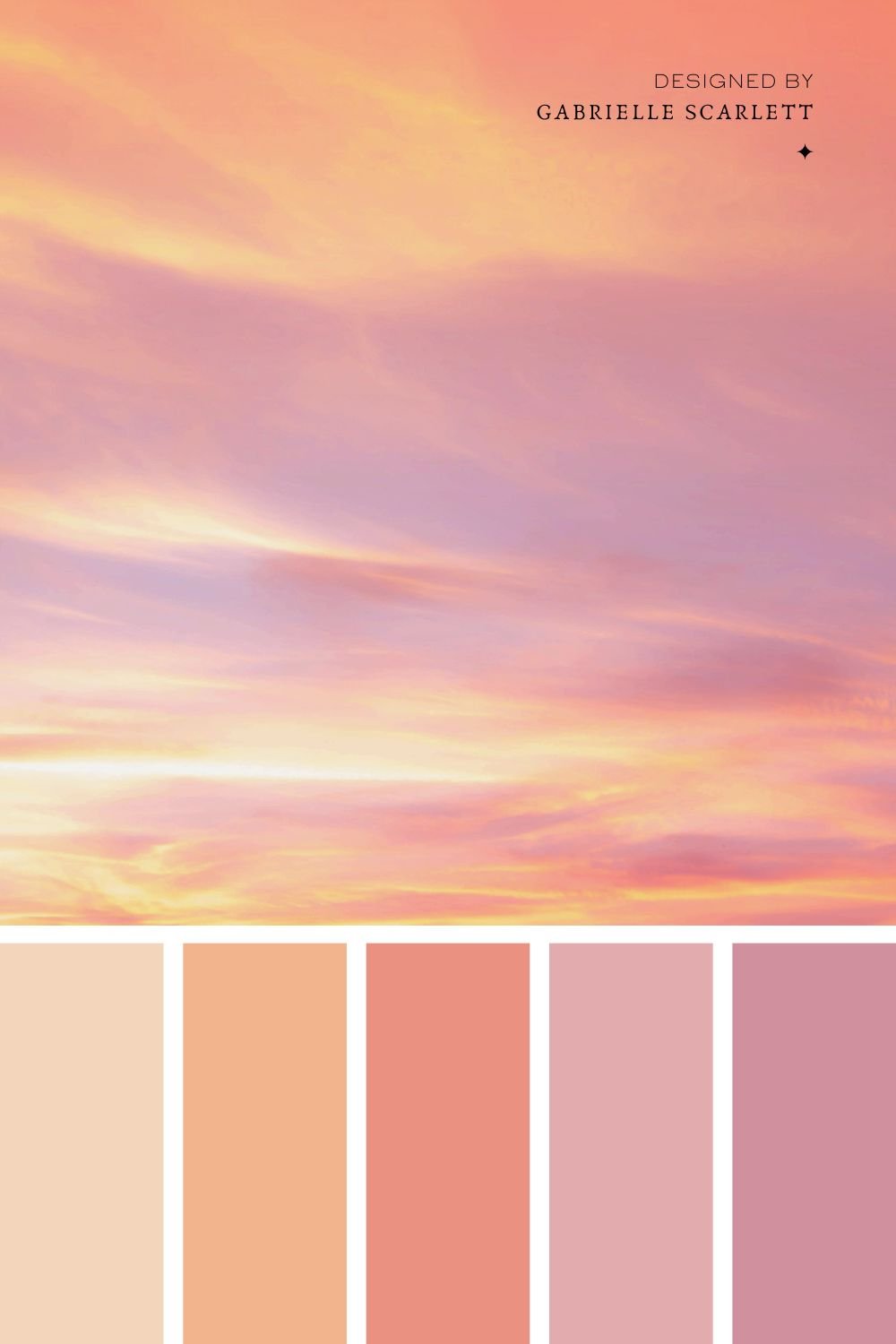
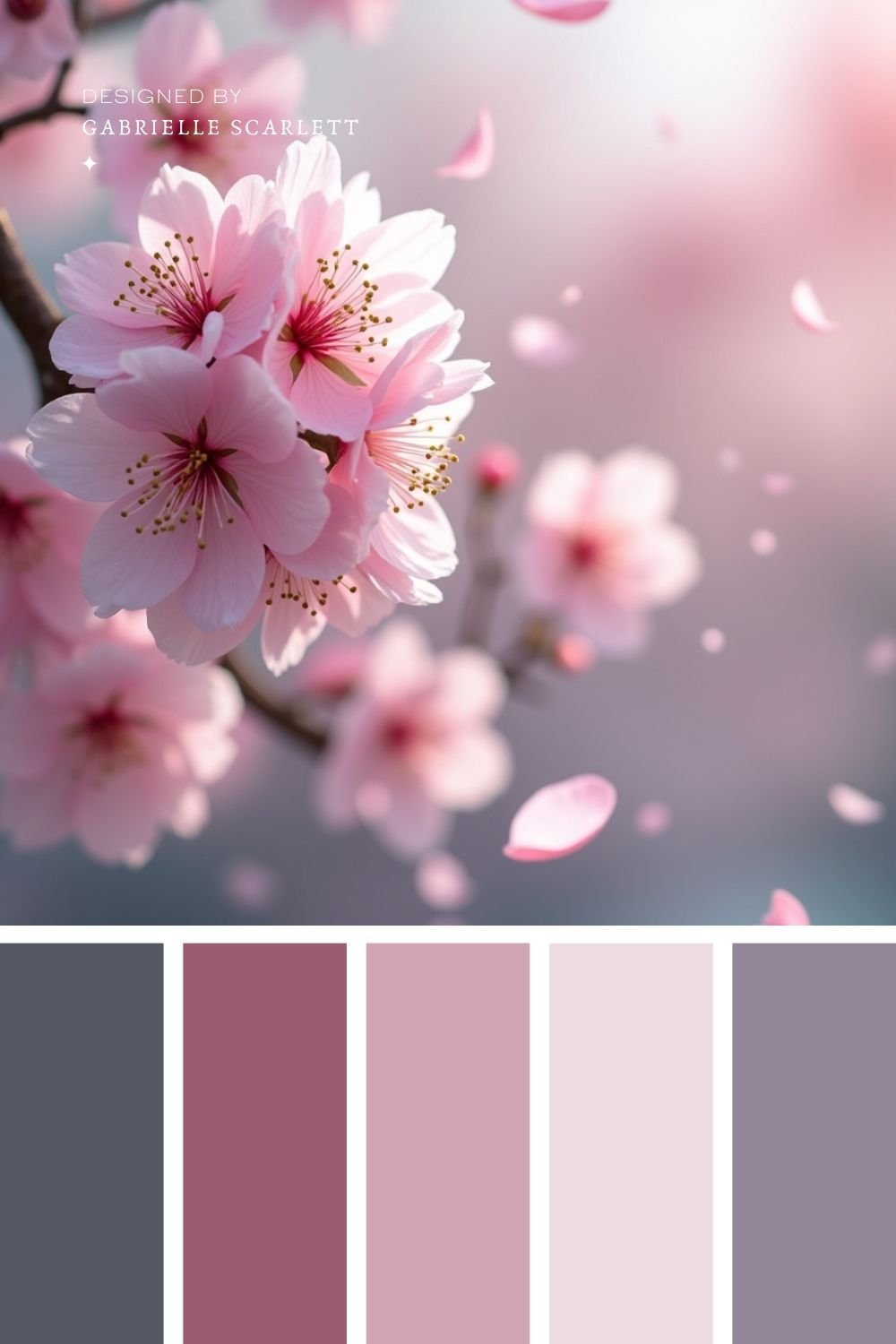
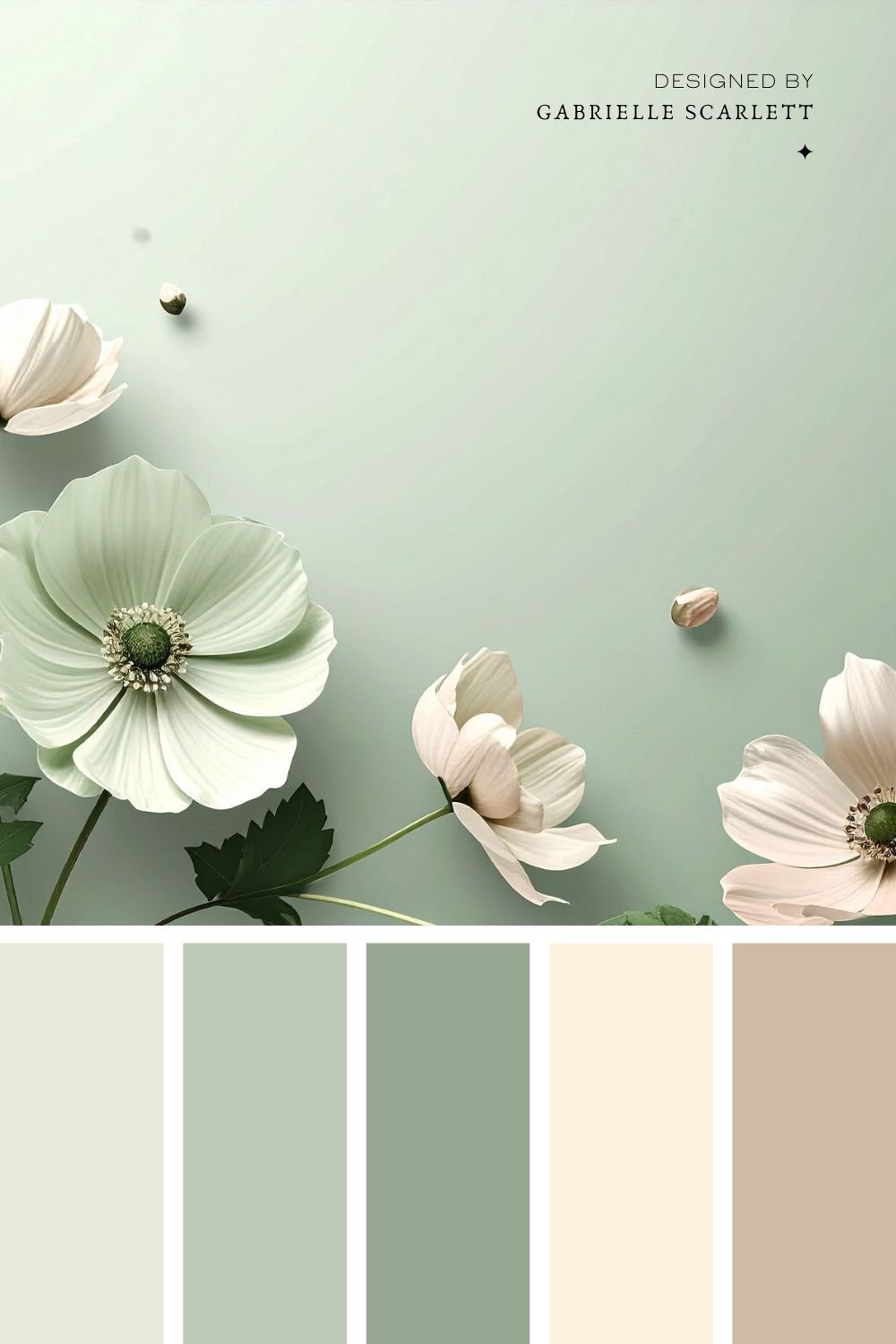
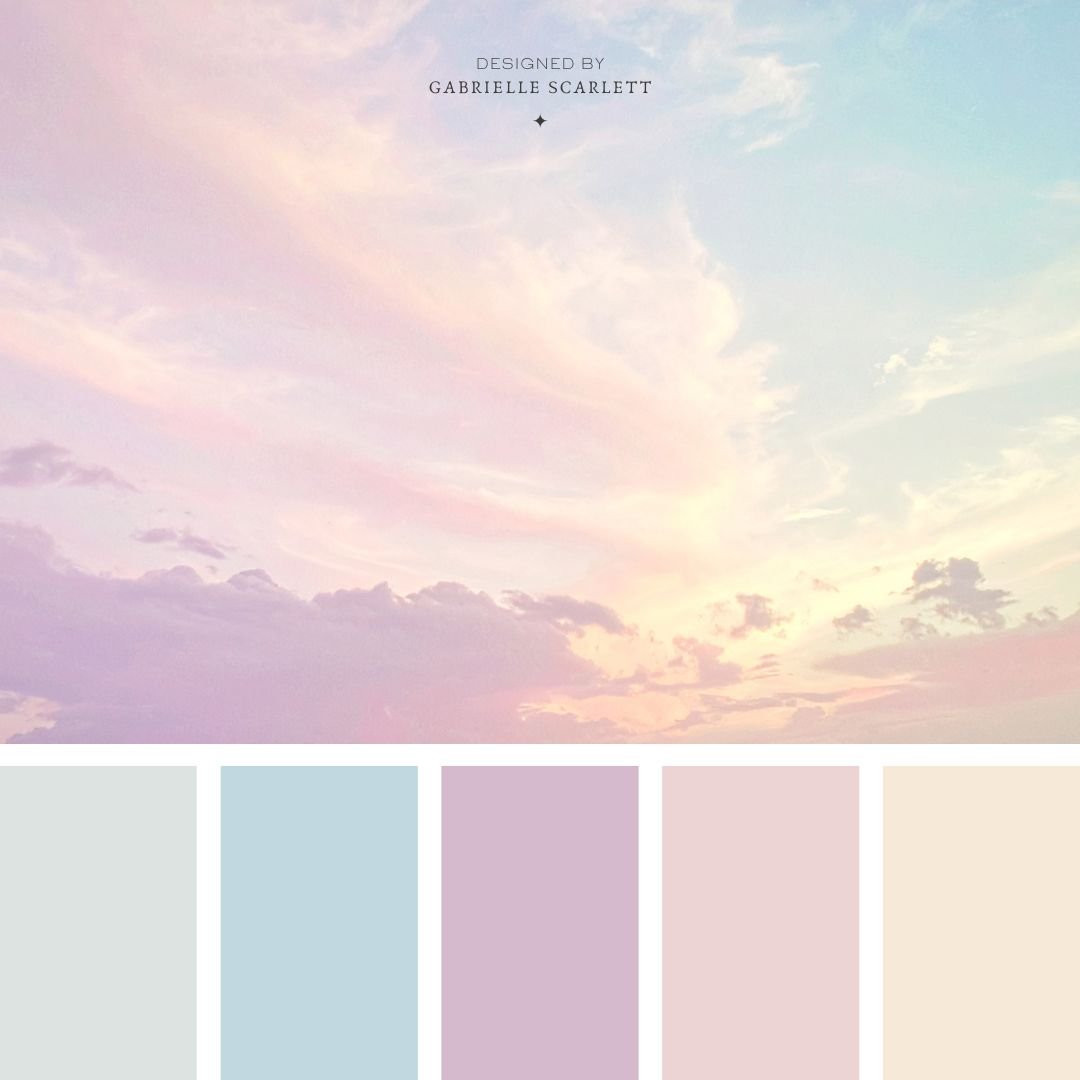
Finding inspiration for pastel palettes can be done in nature!
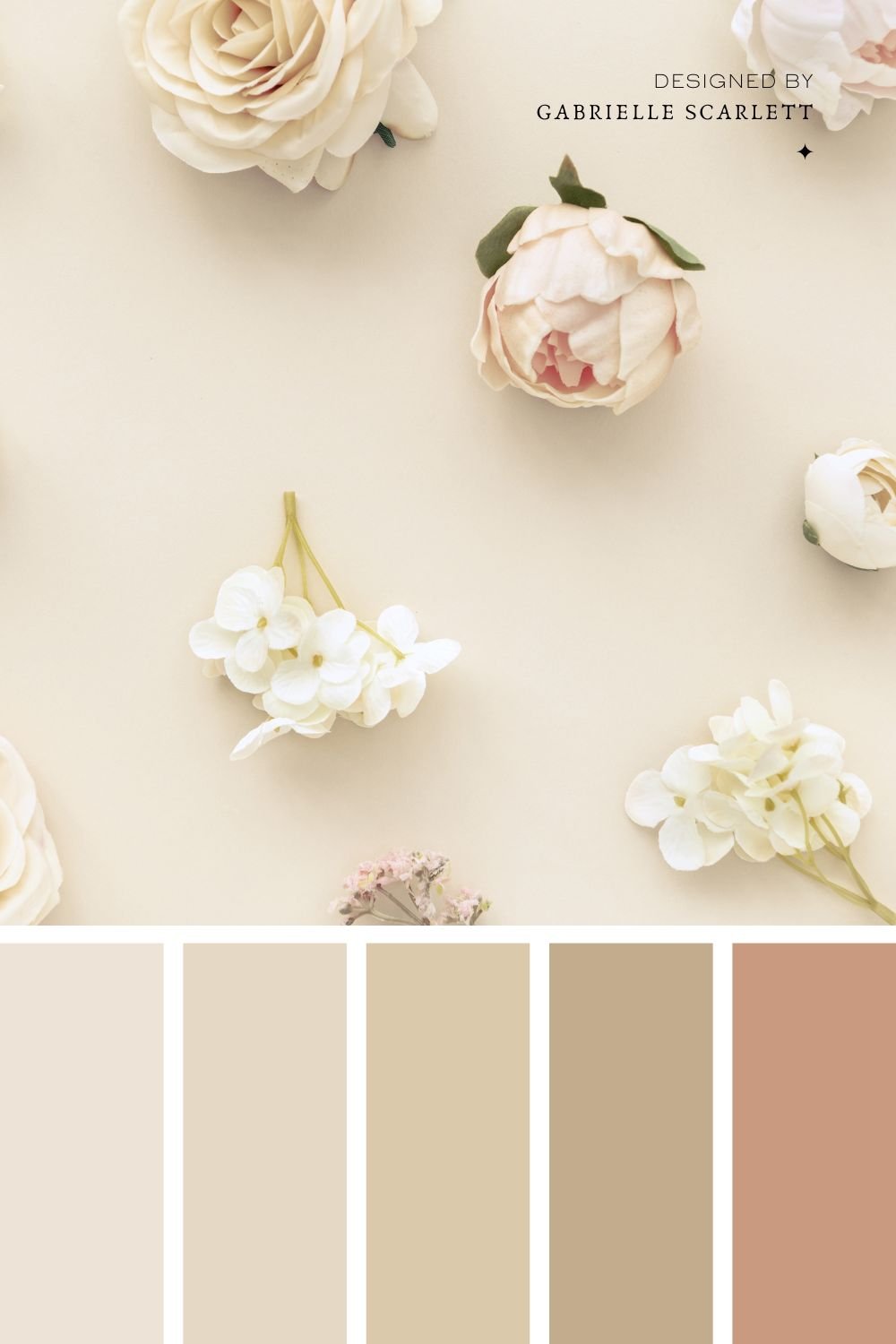
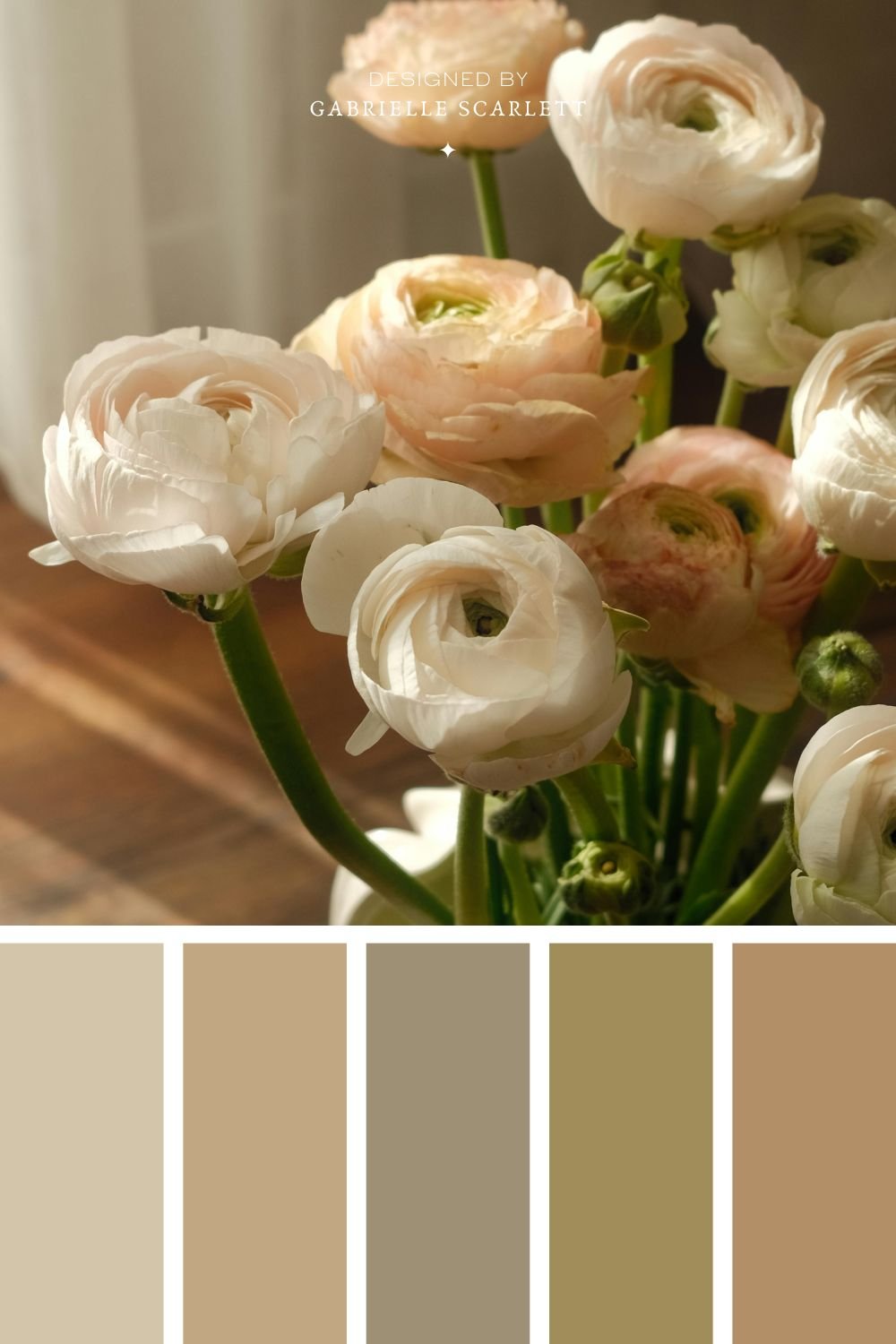
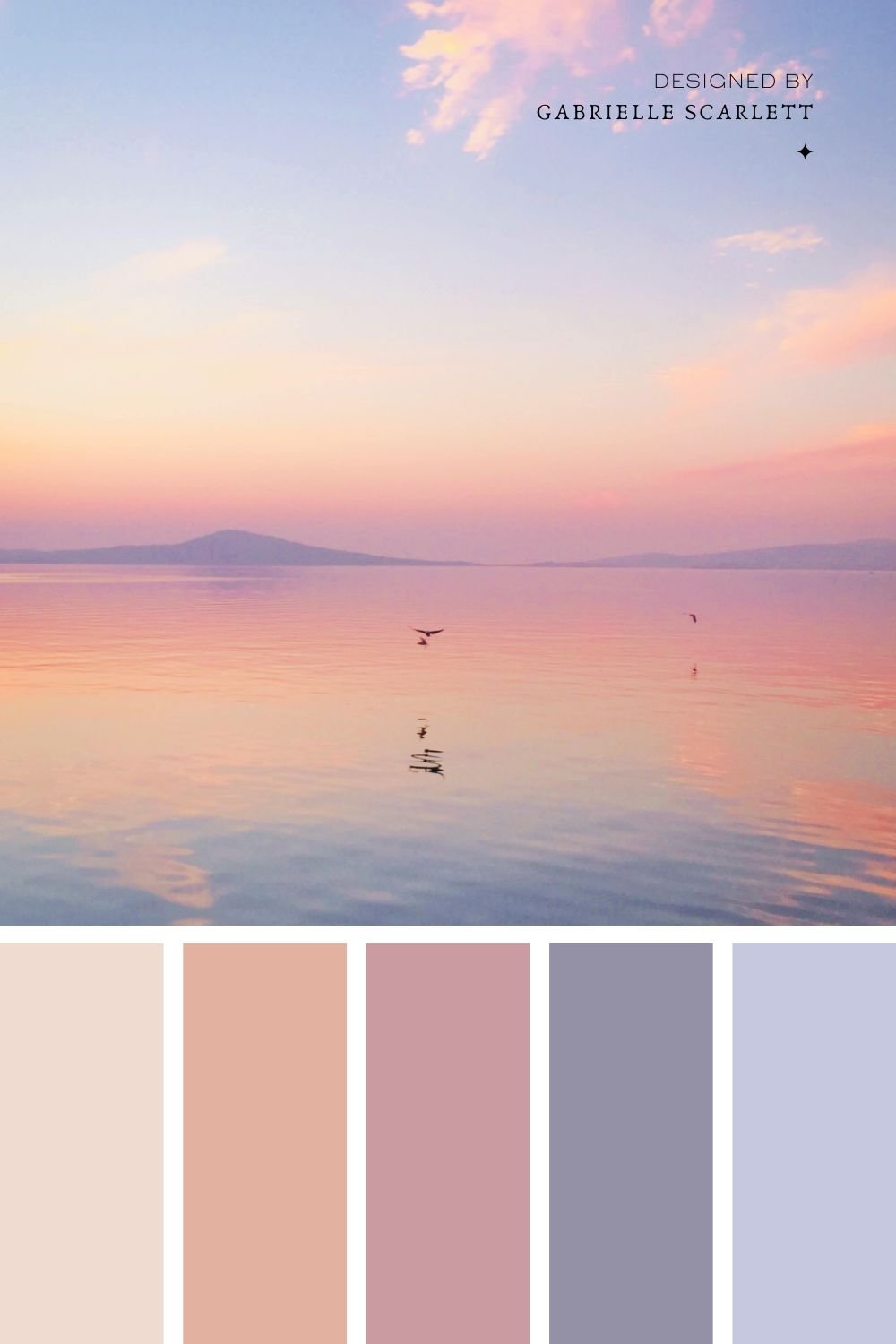
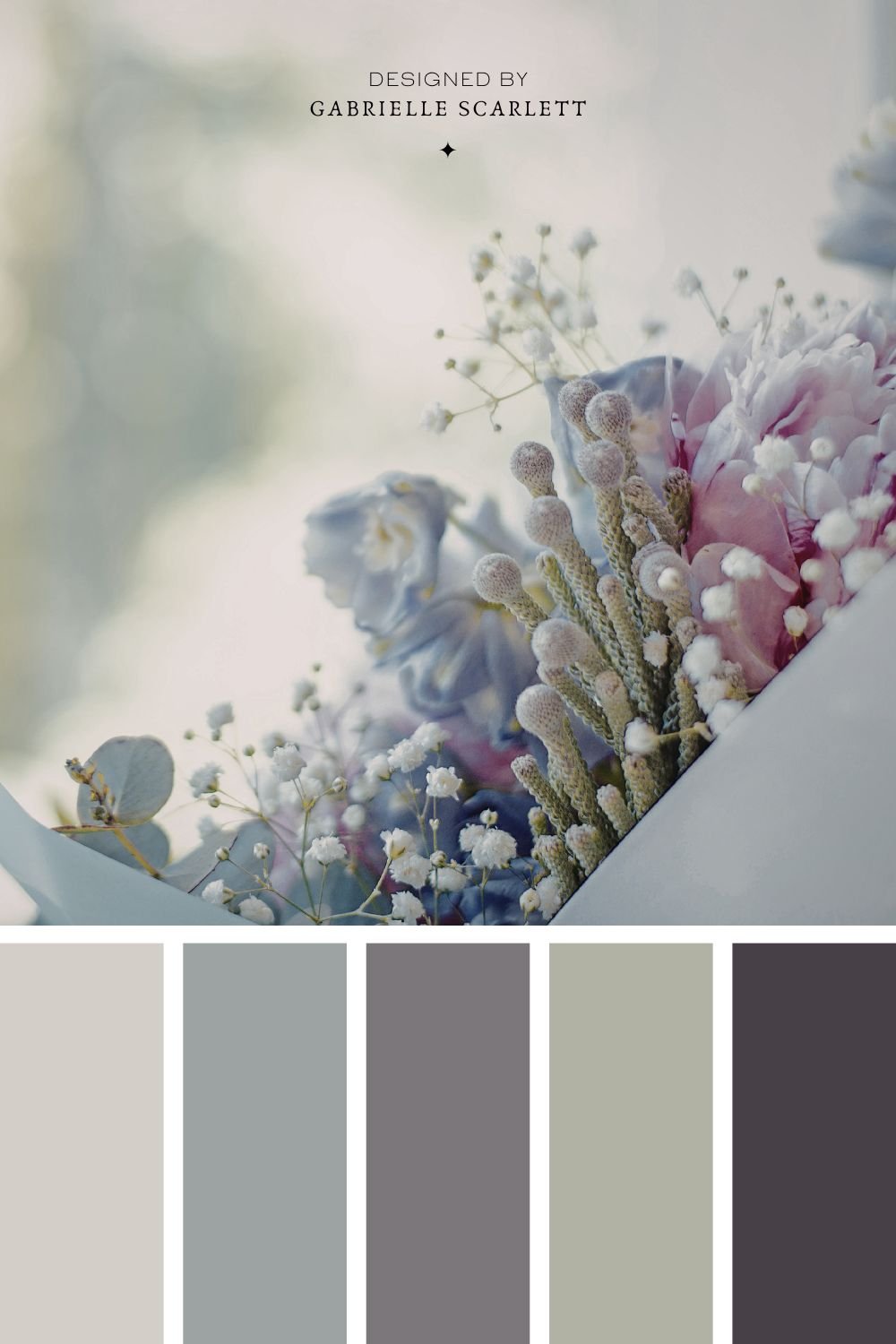
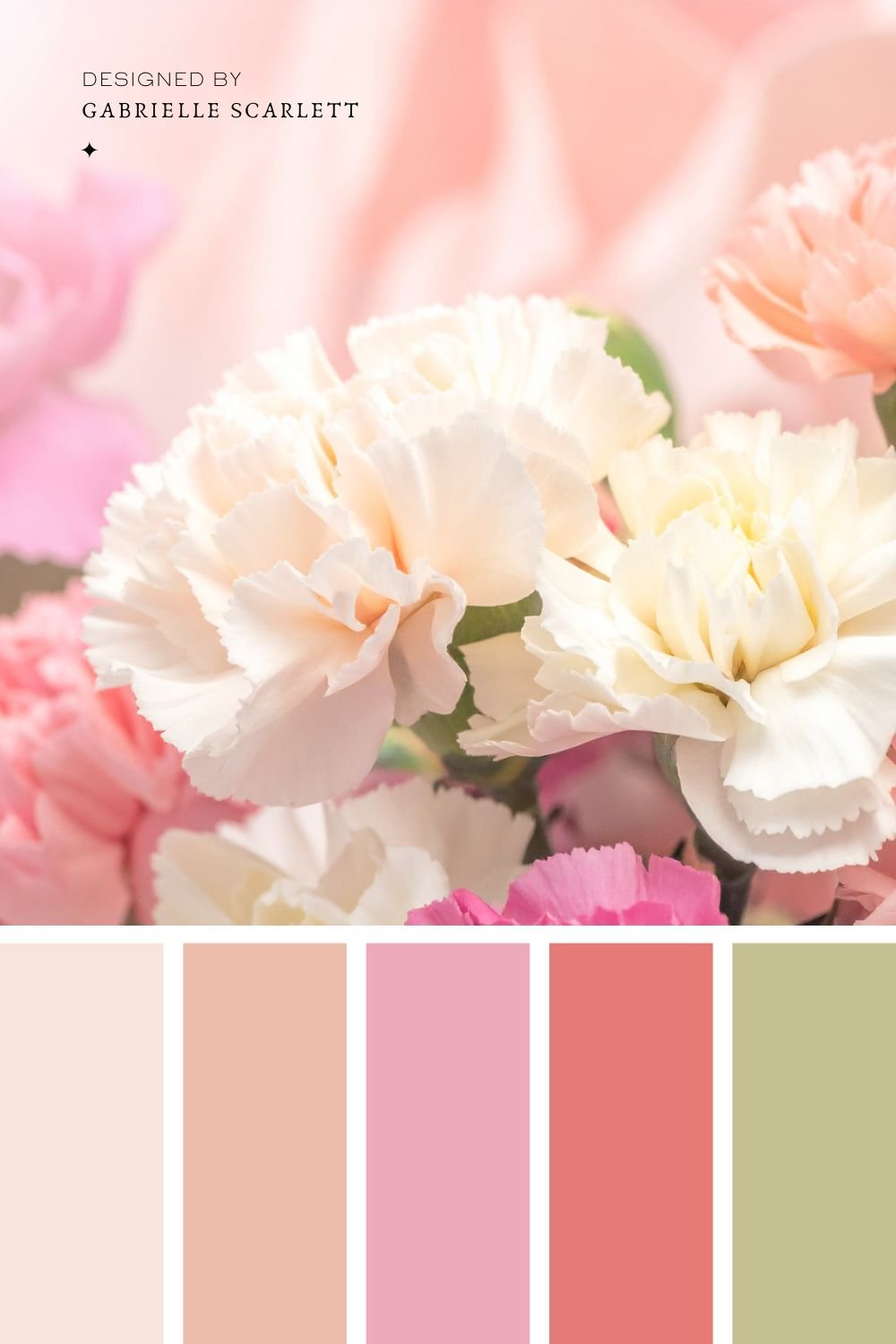
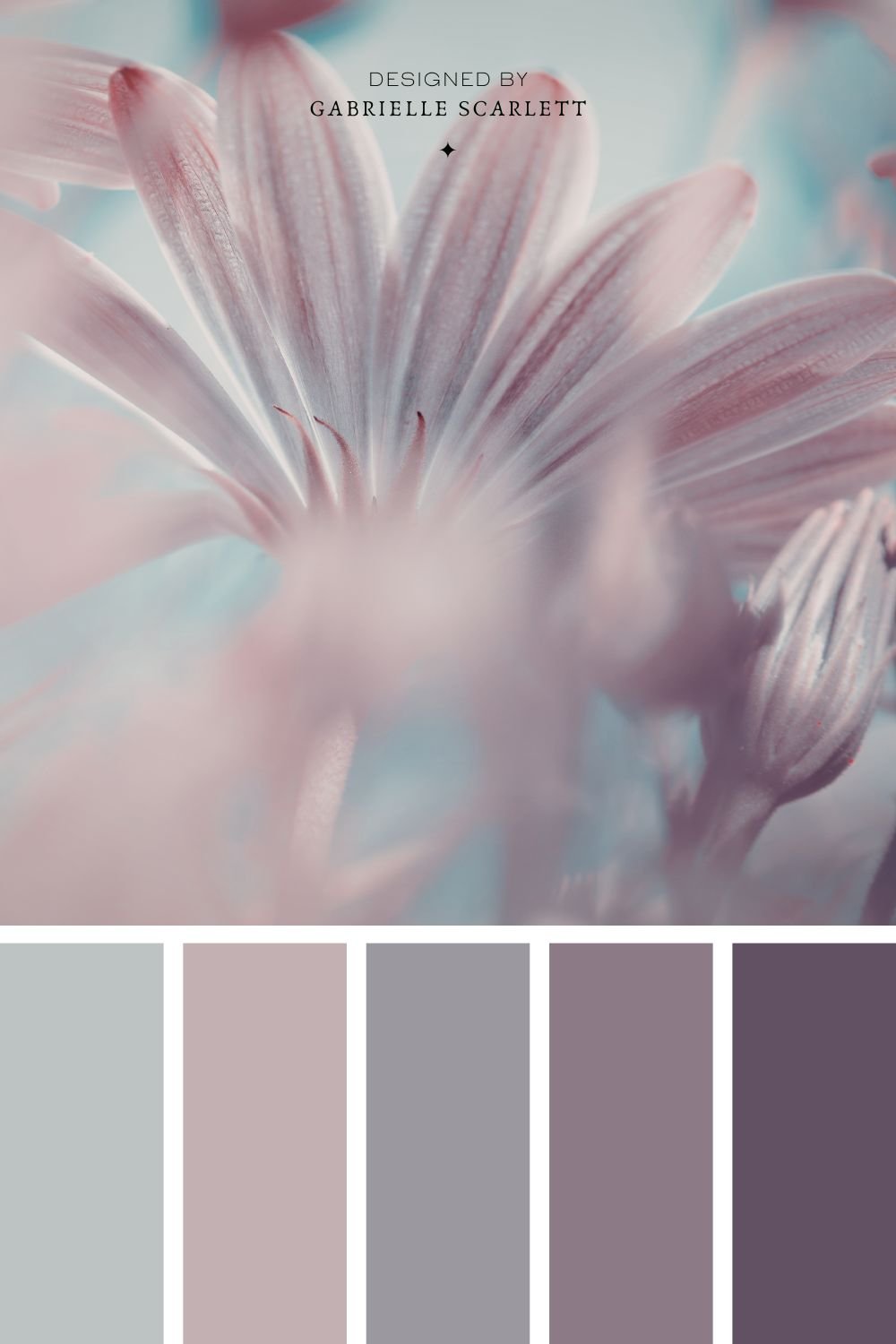
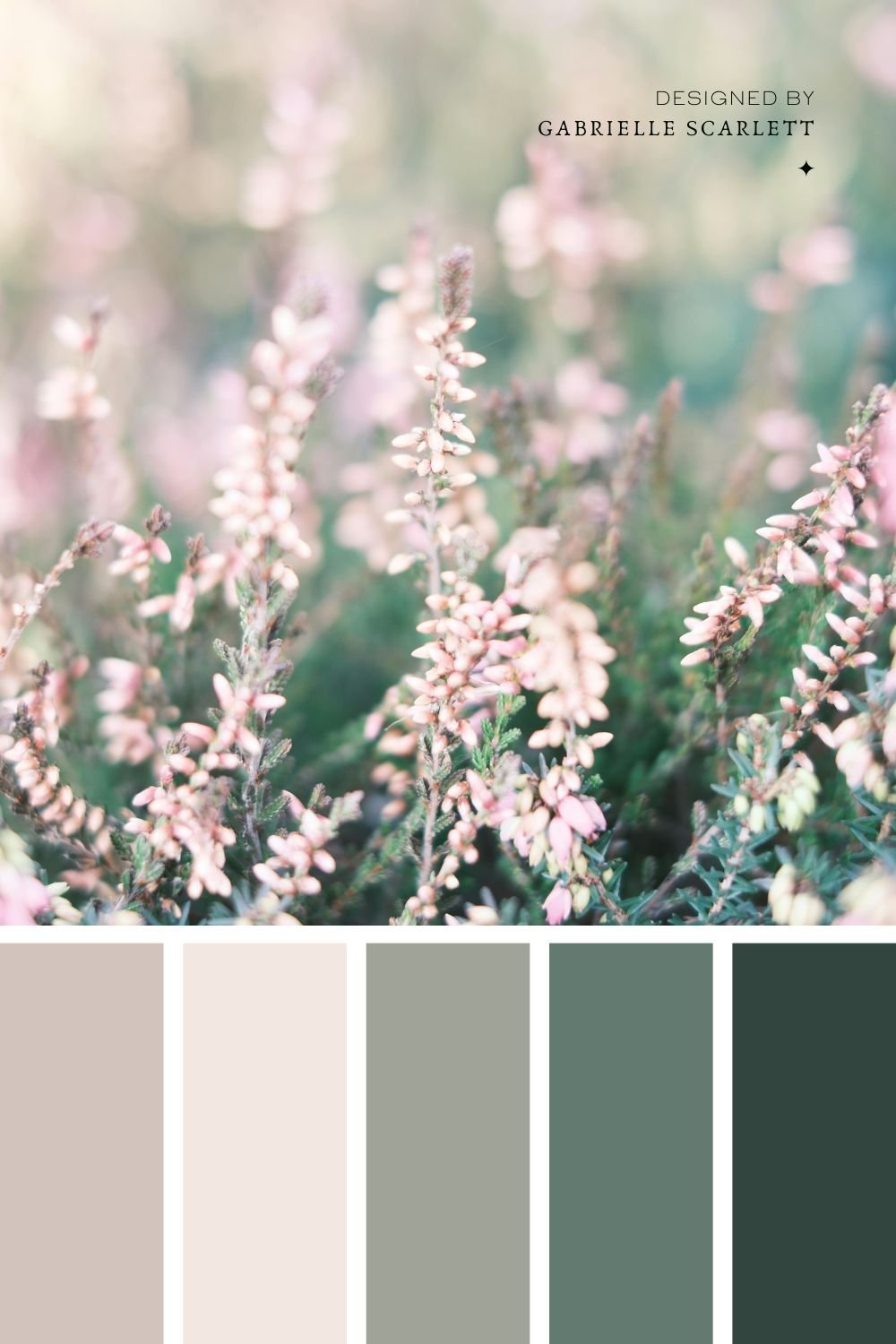
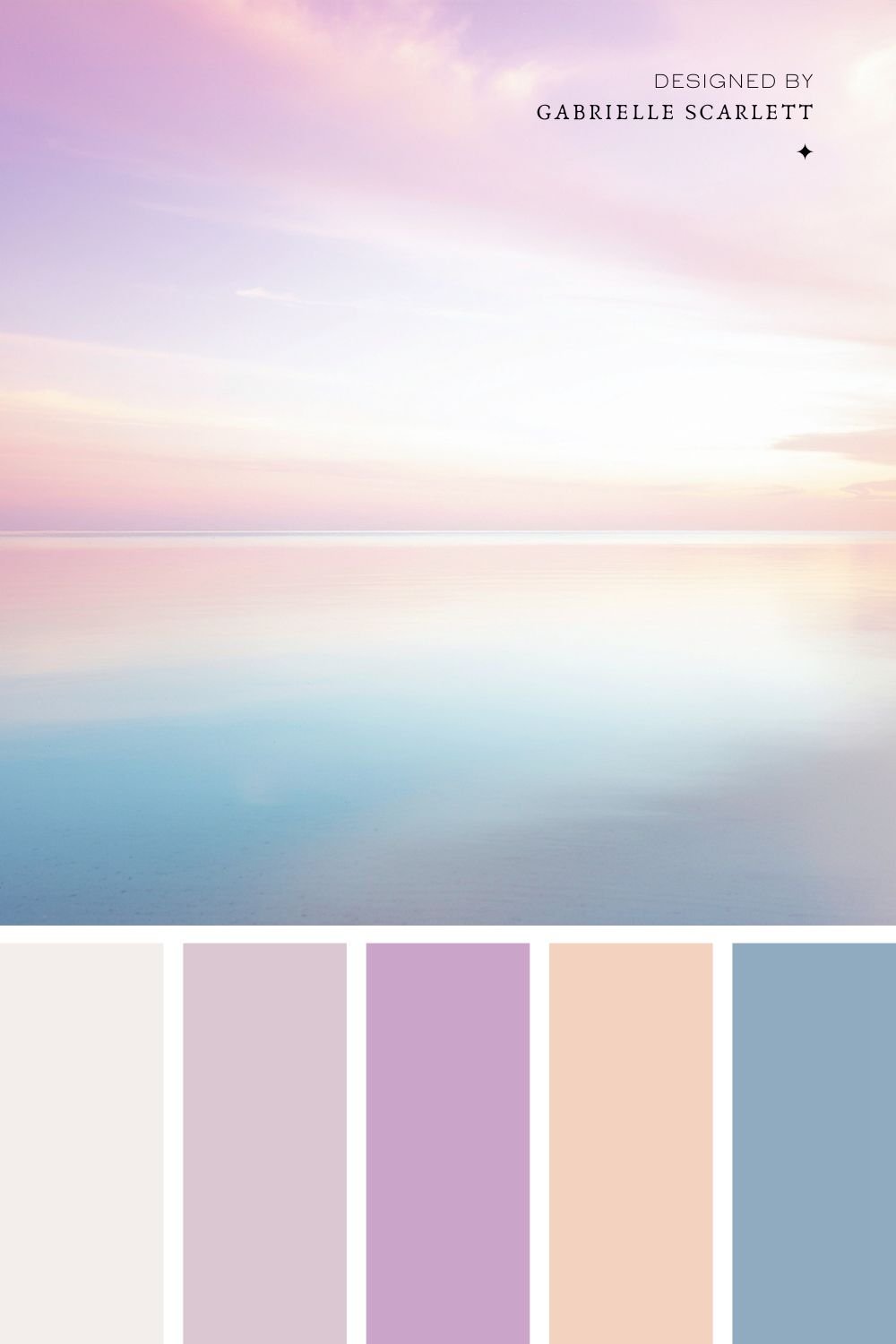
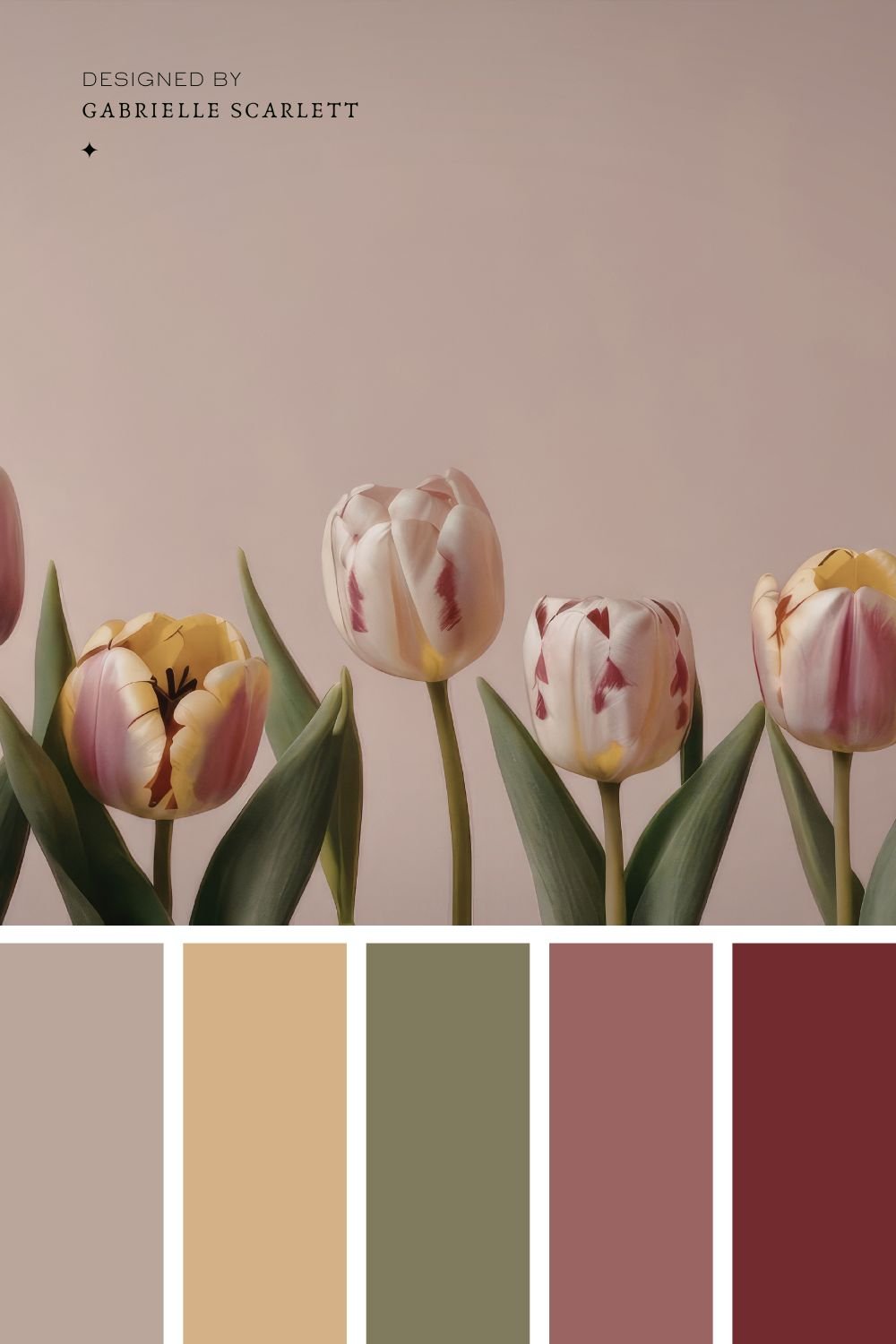
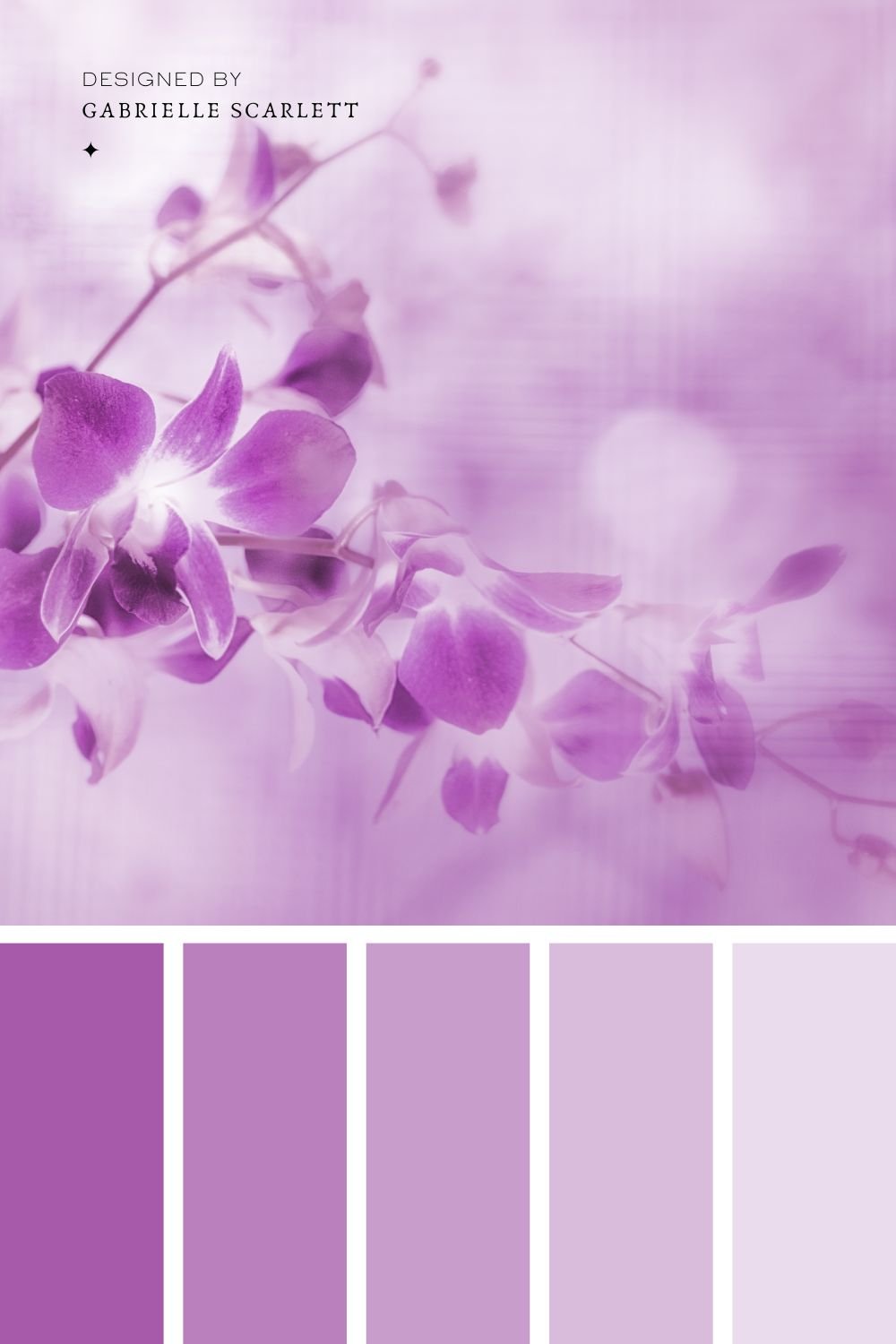
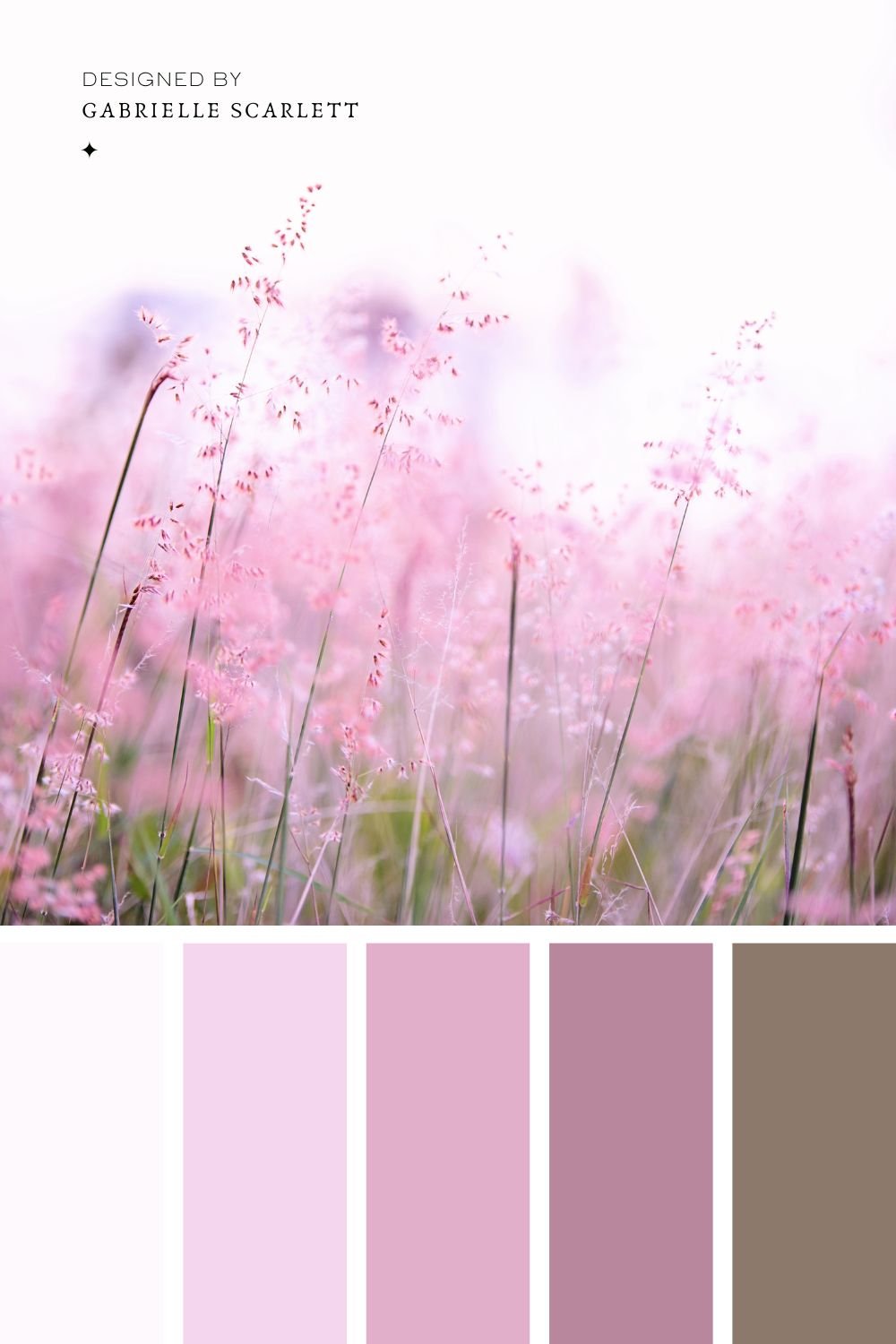
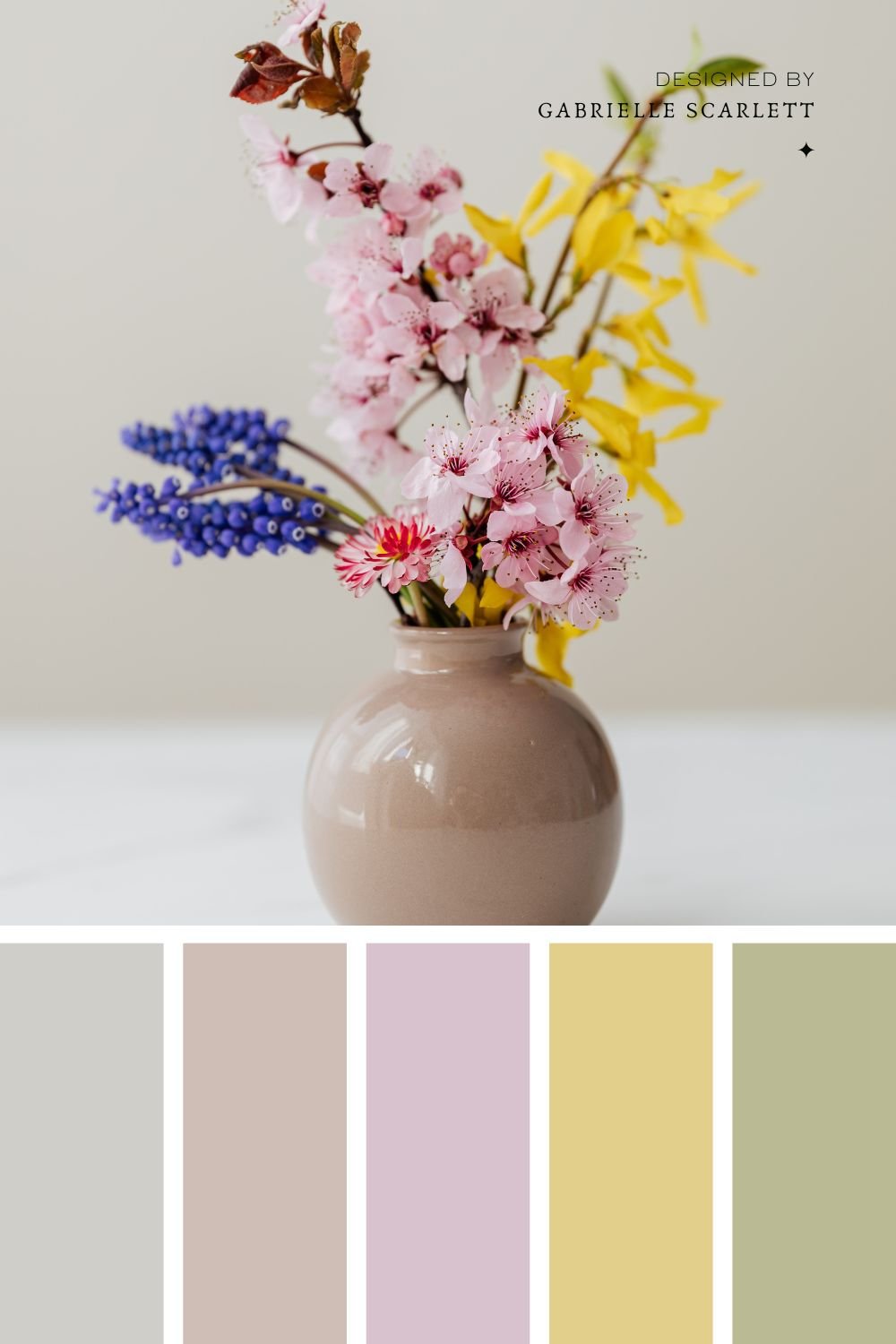
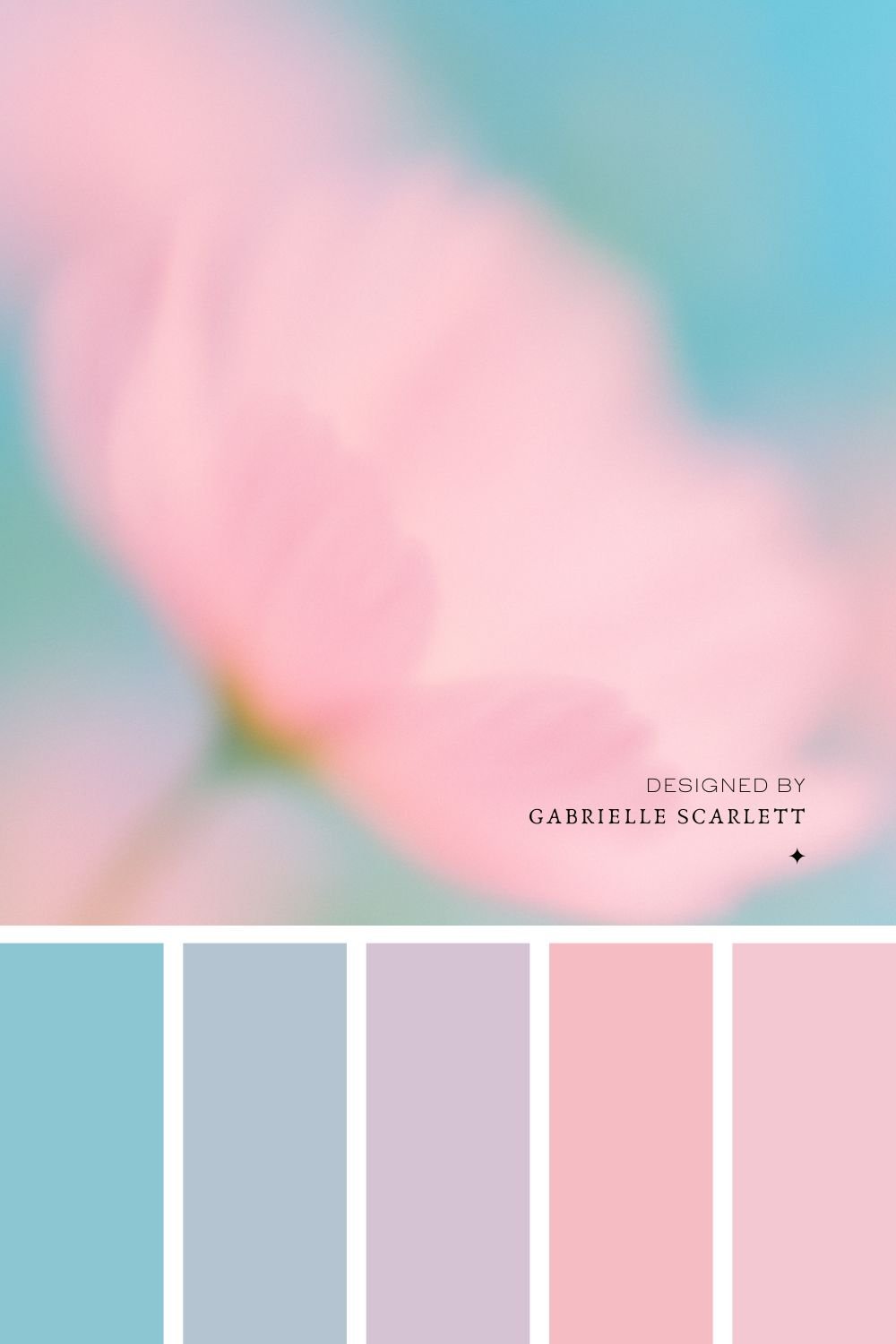
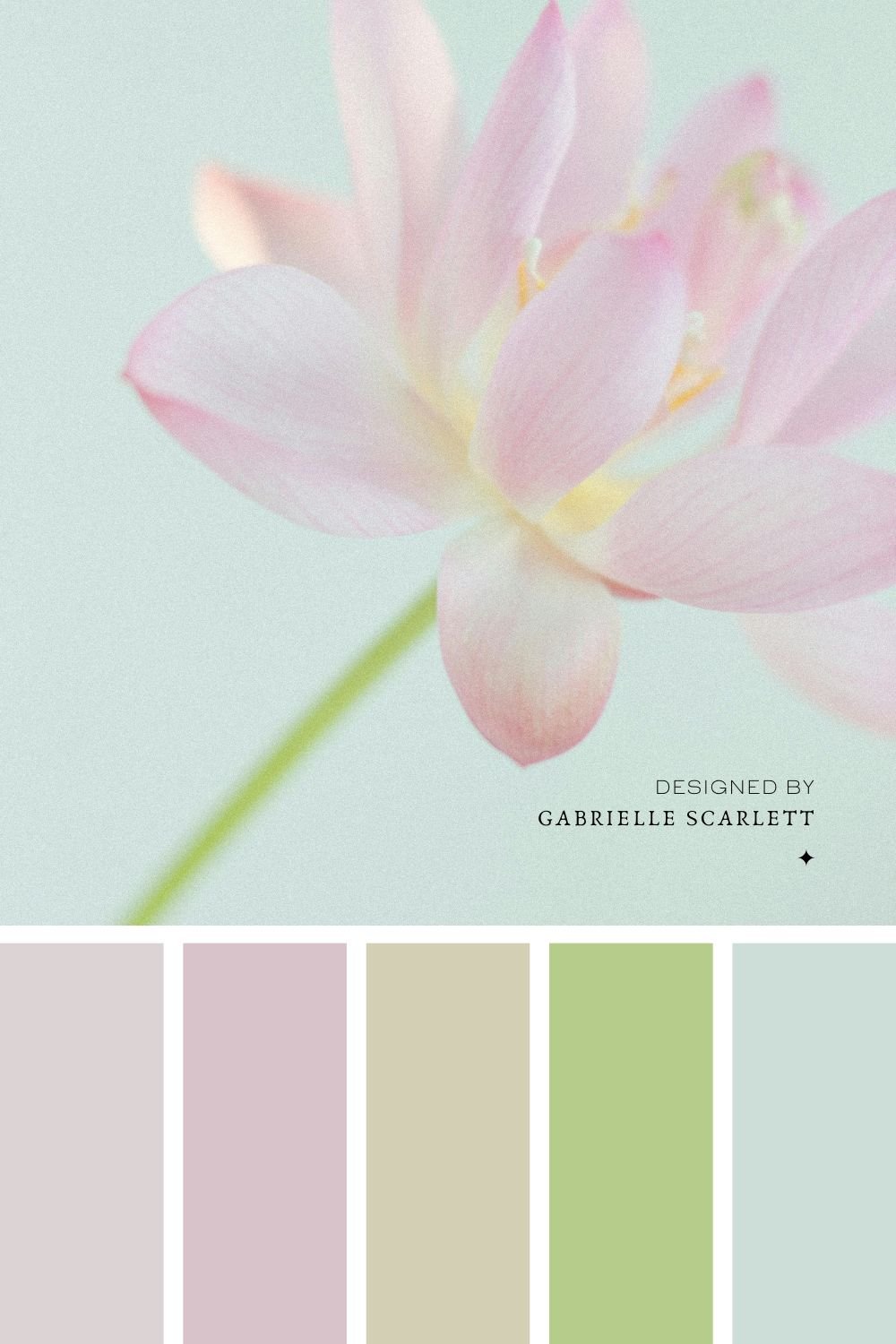
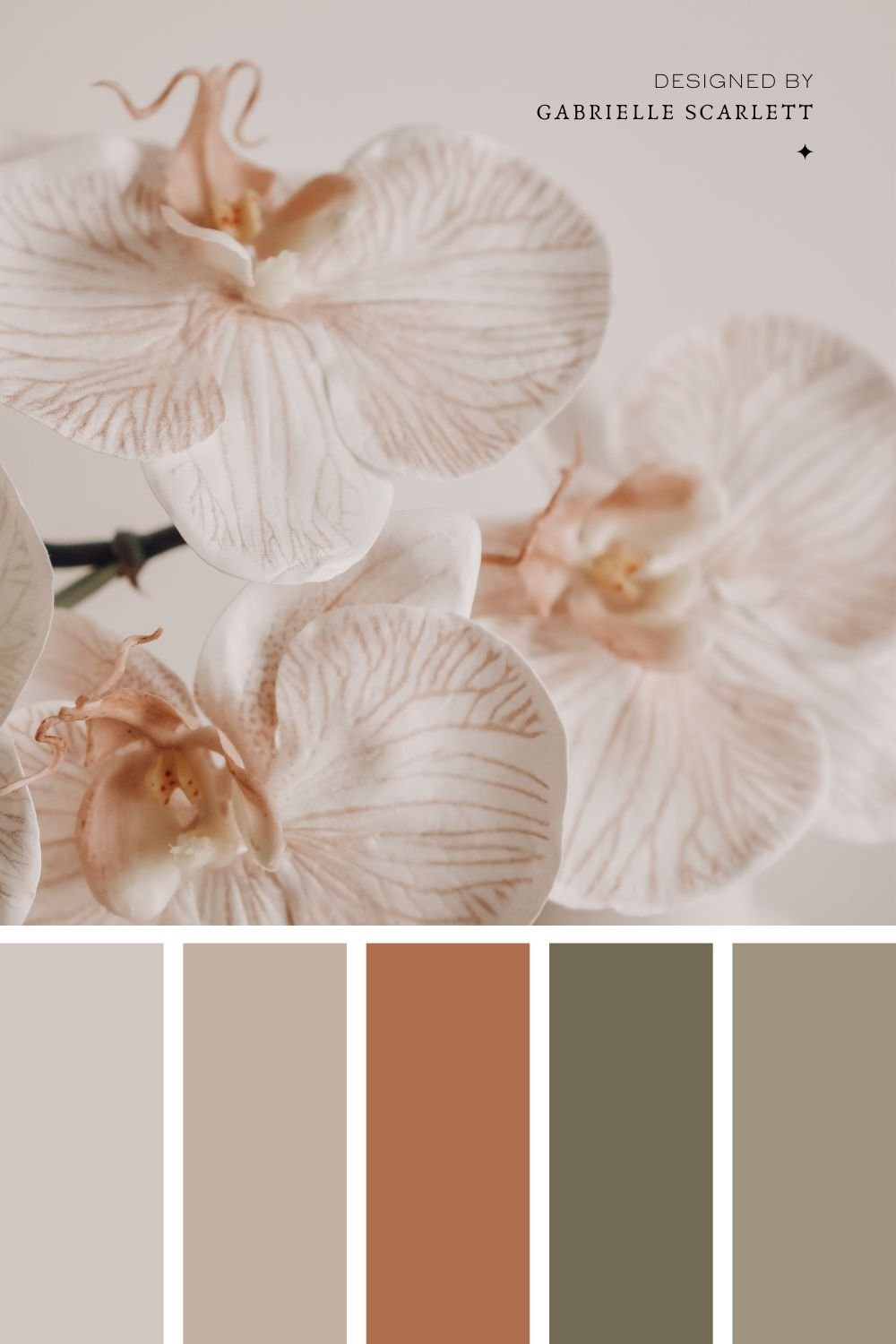
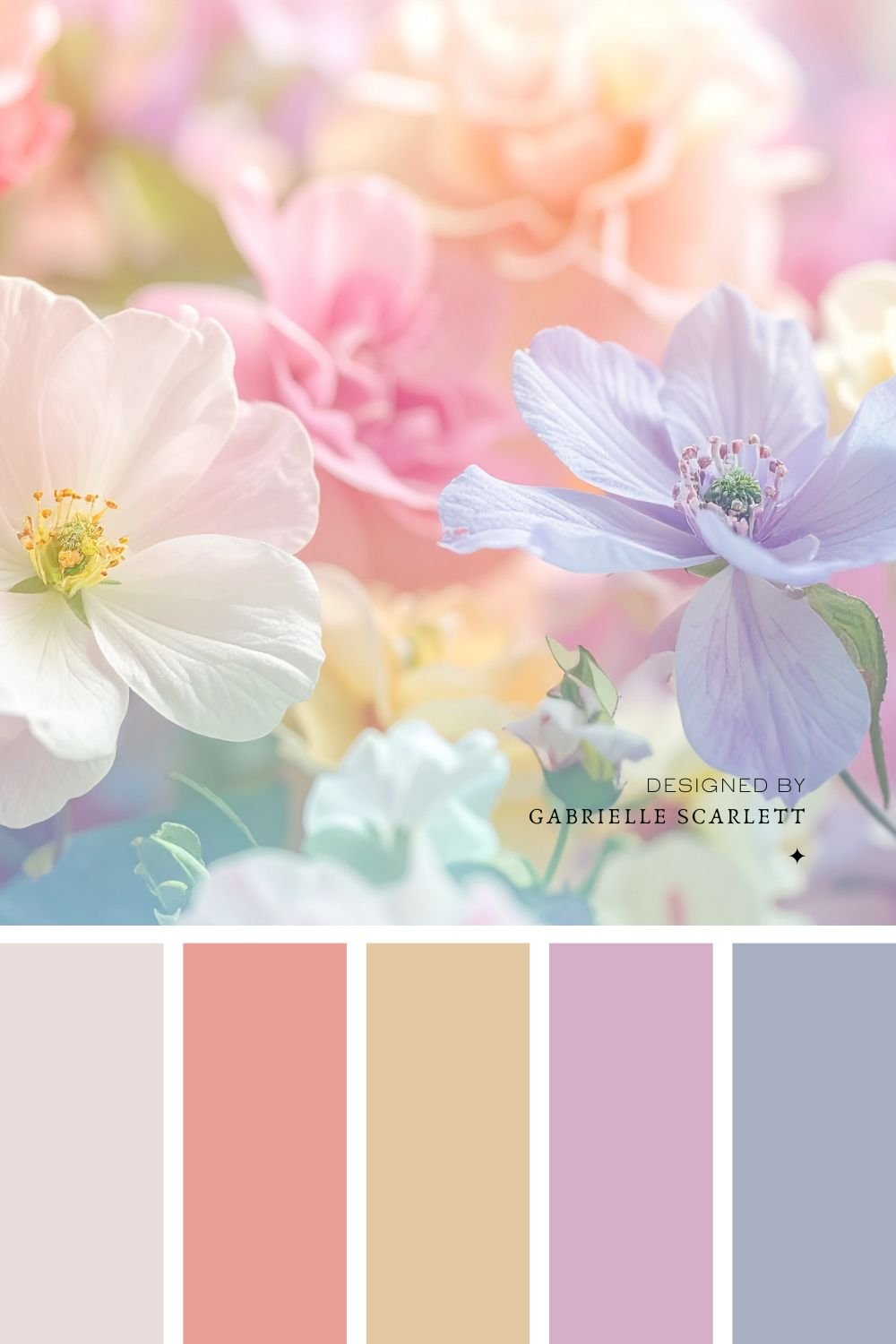
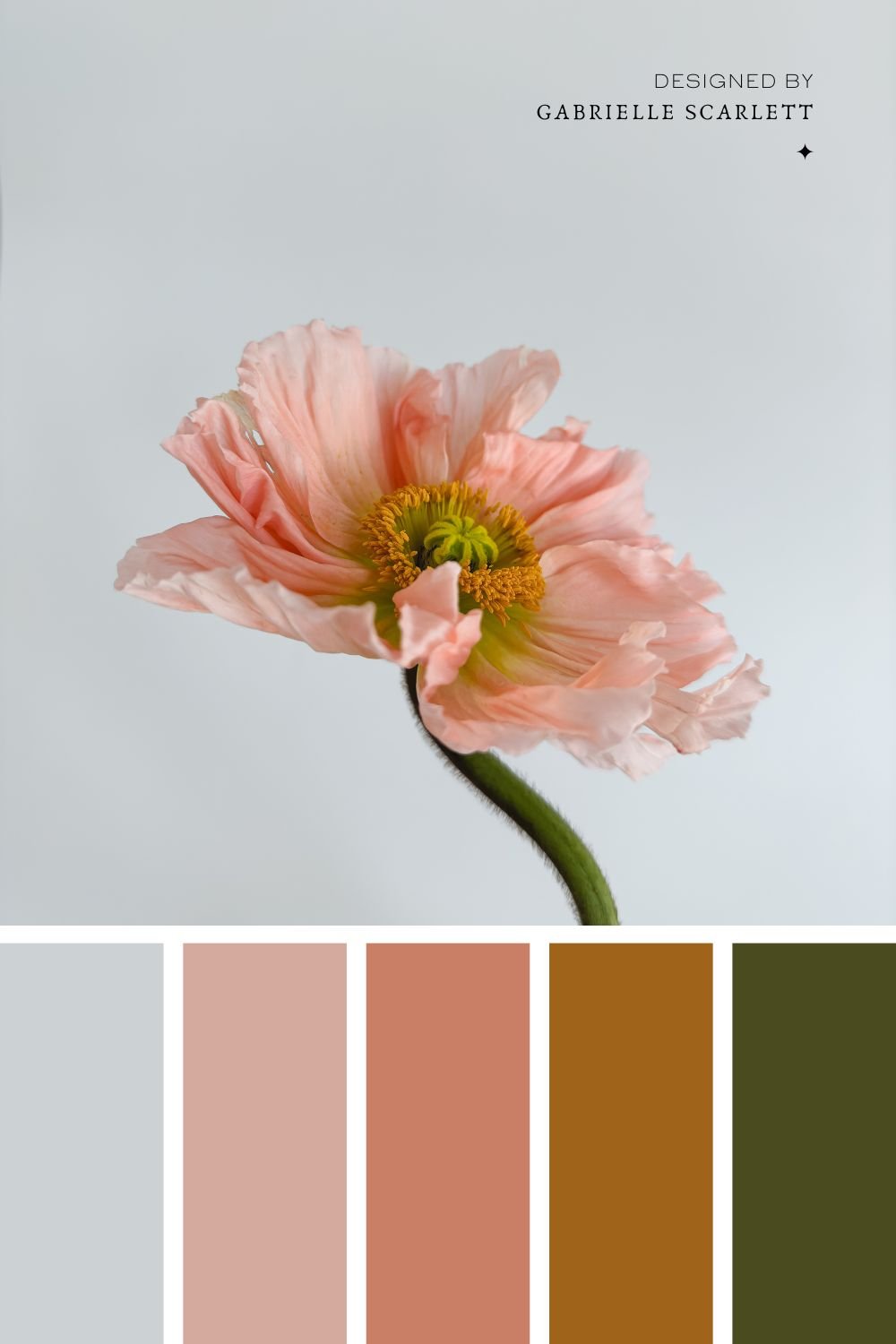
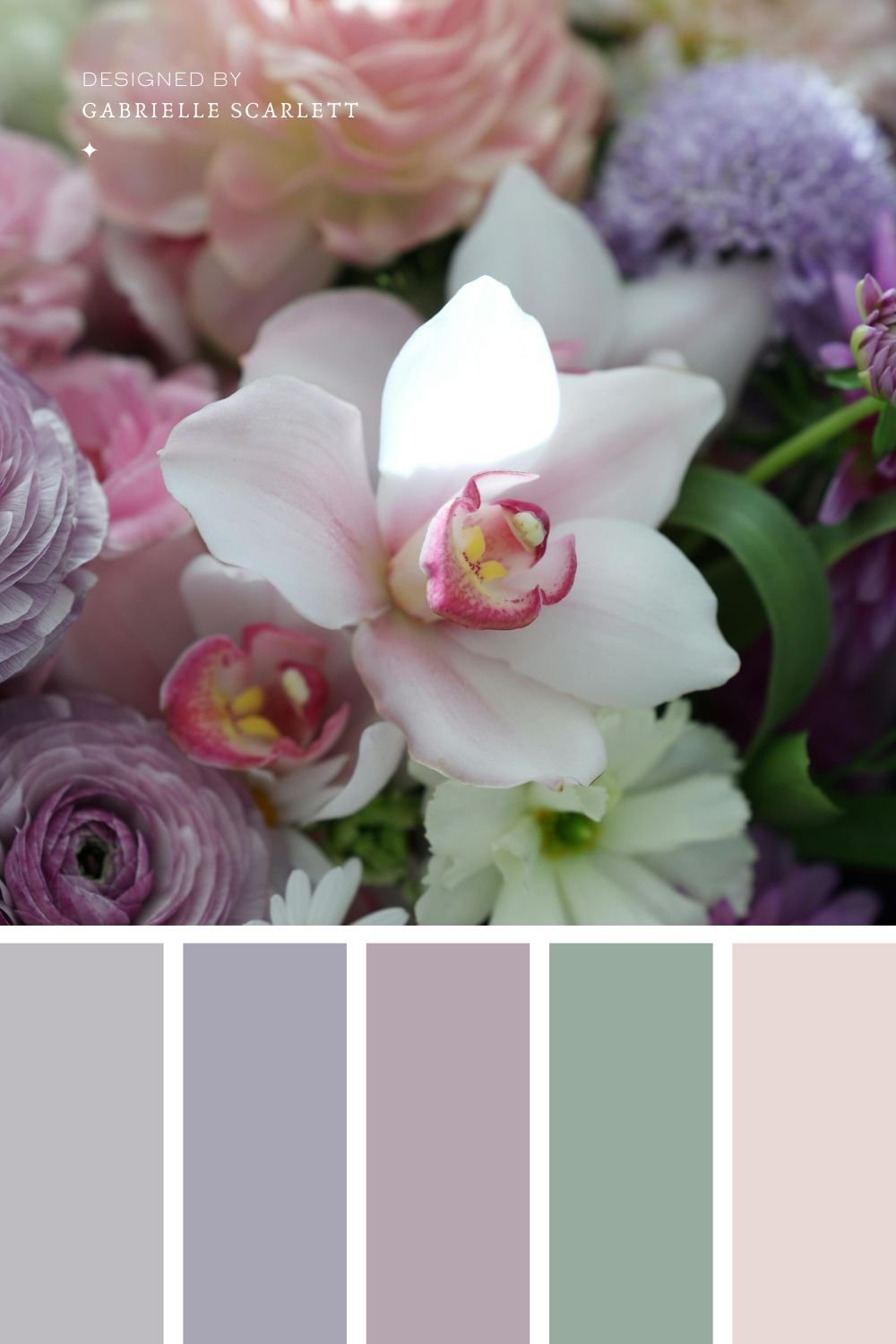
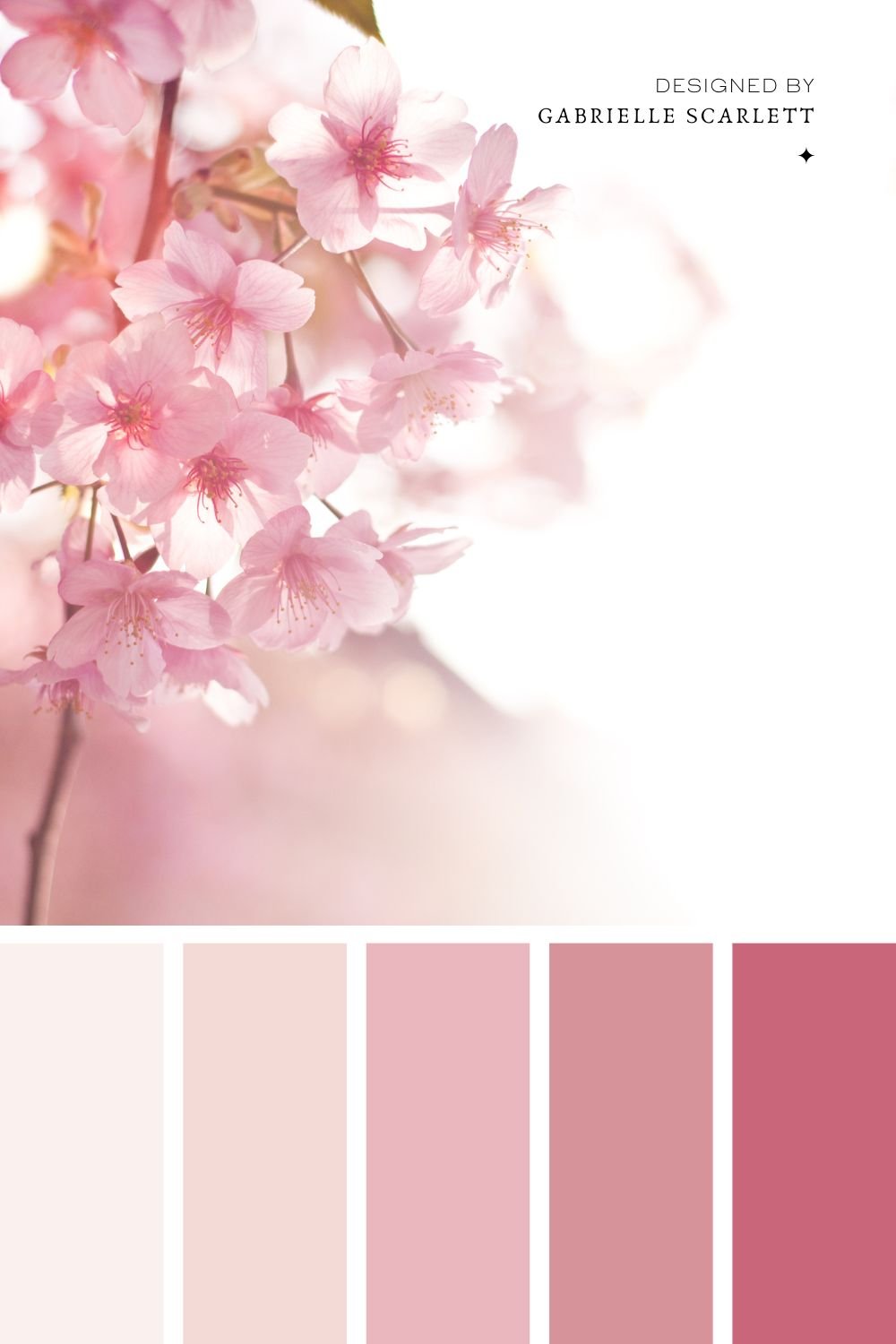
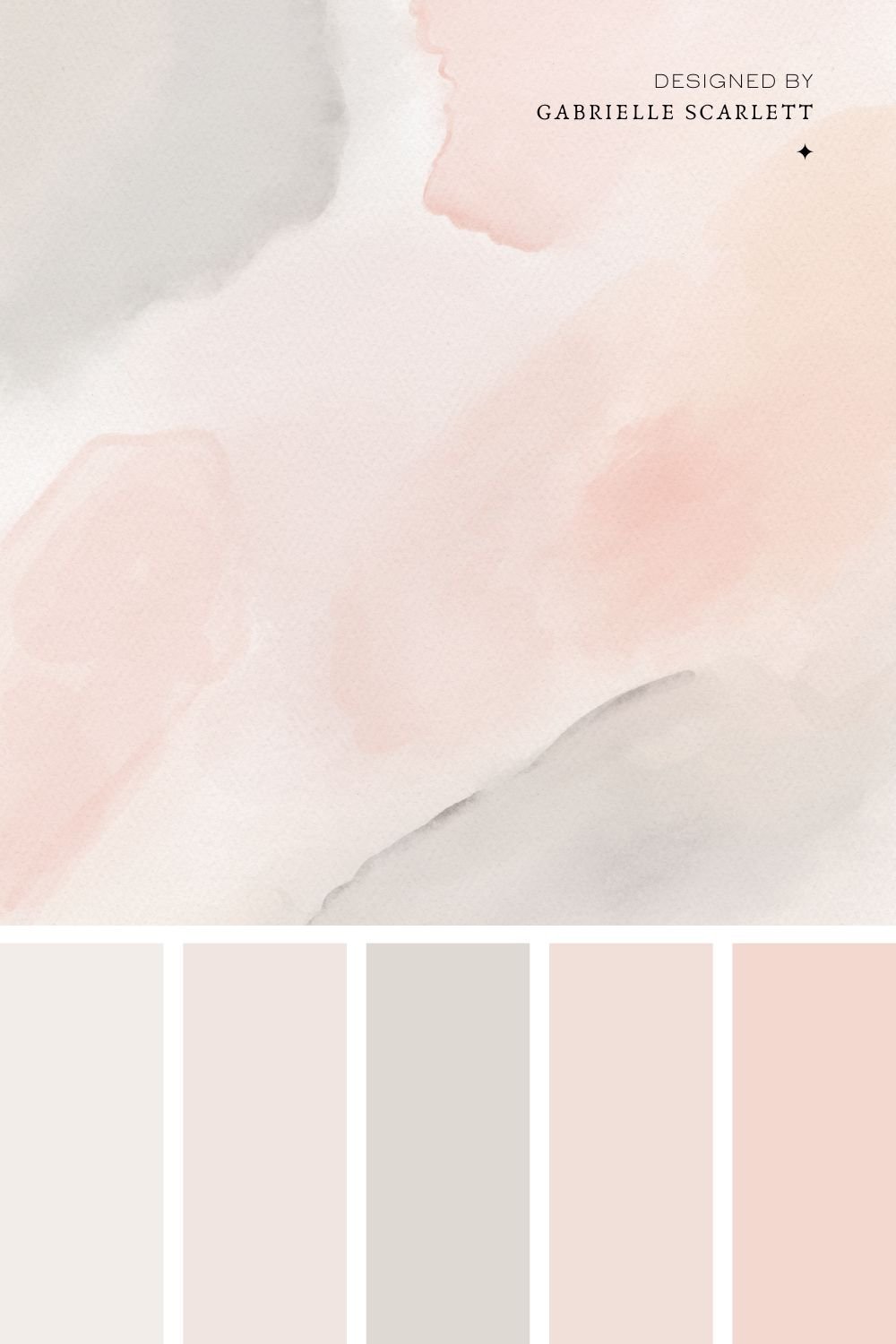
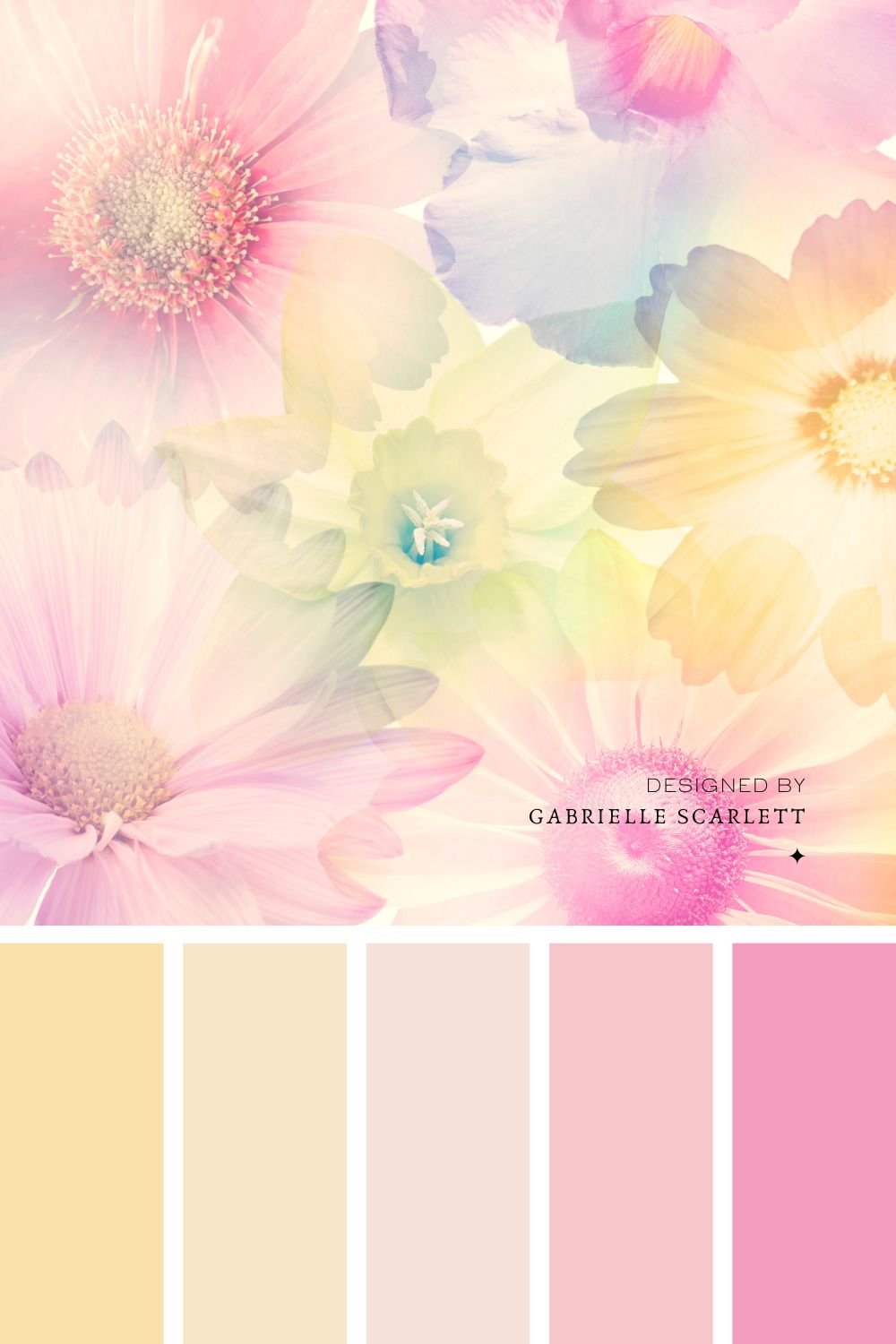
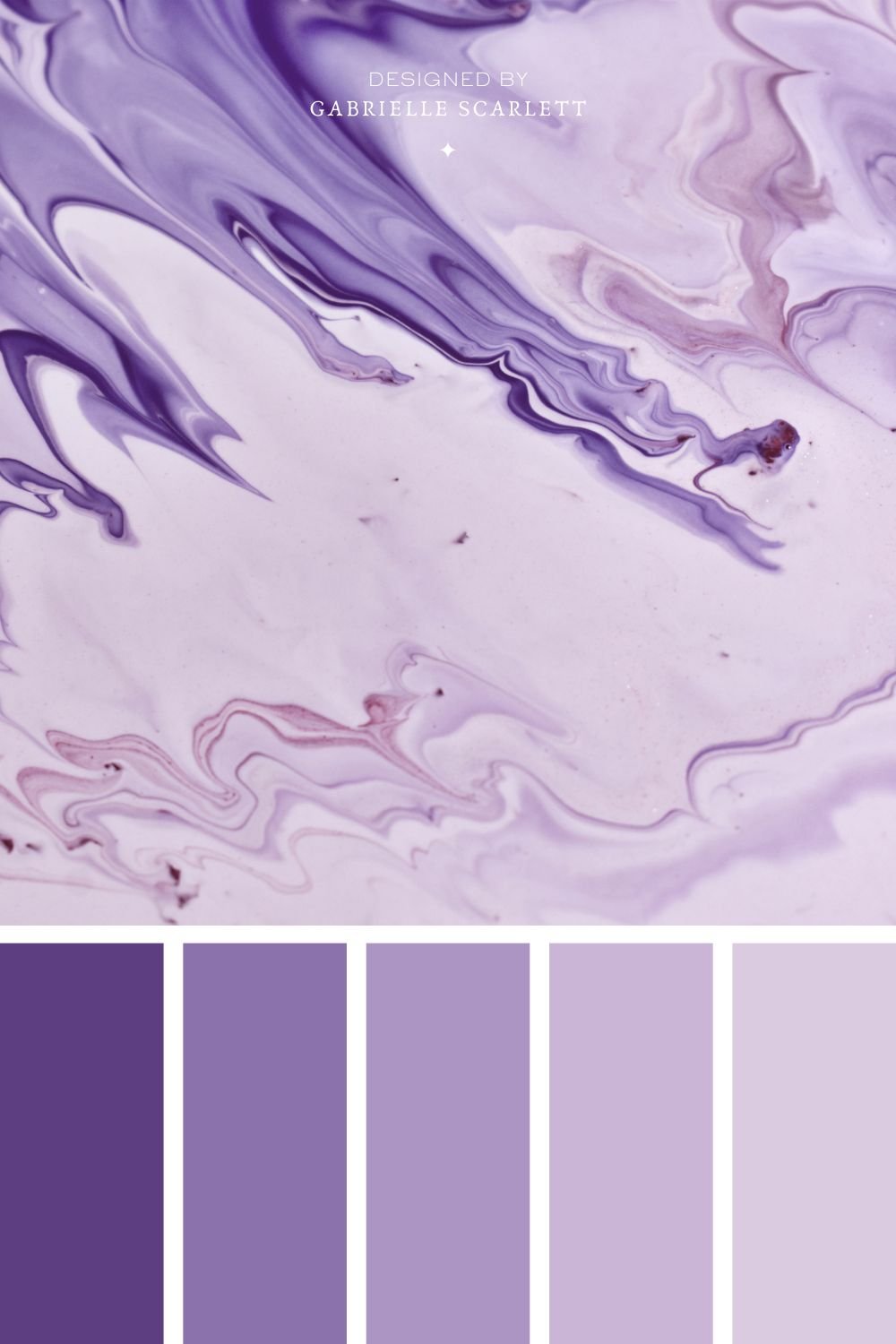
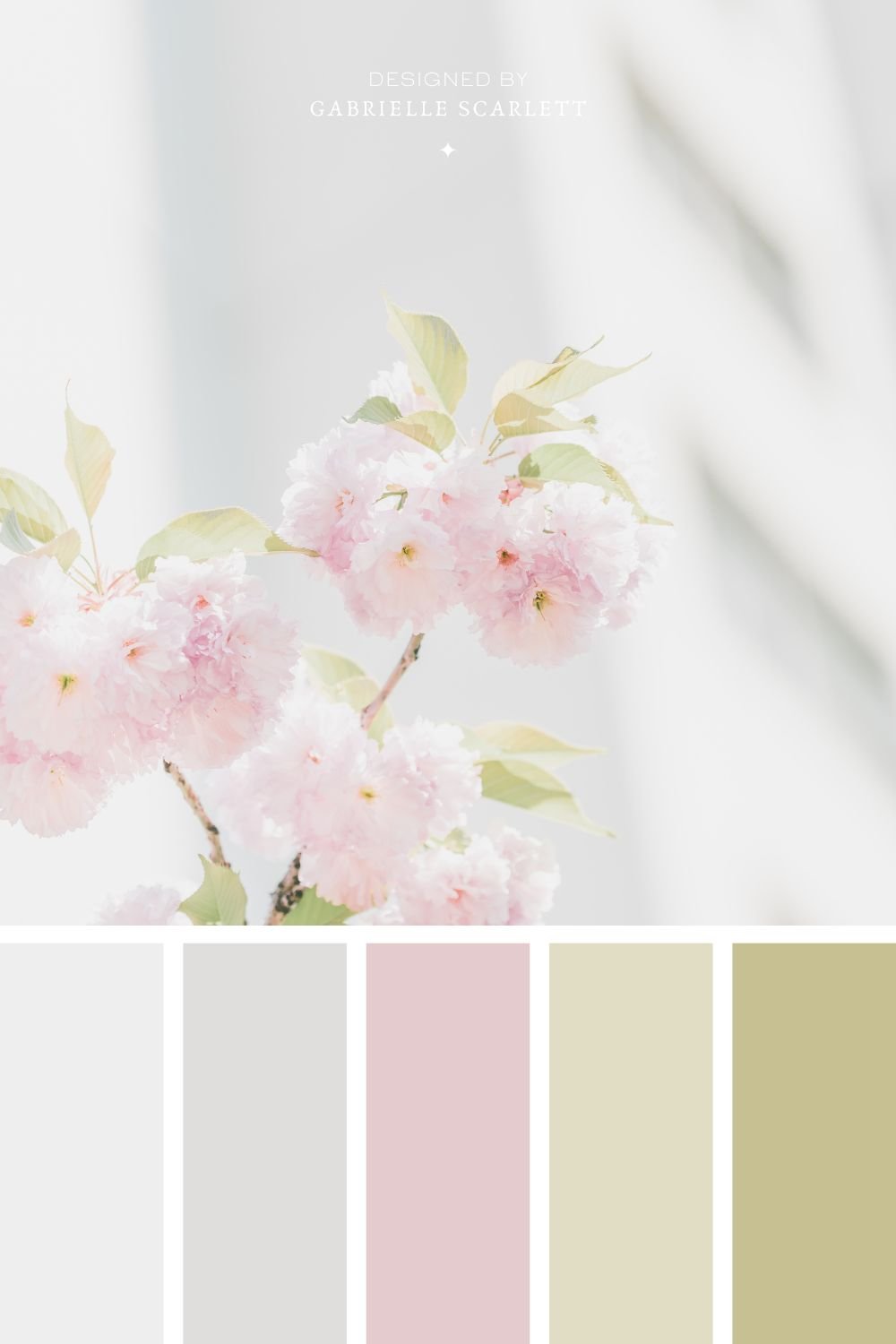
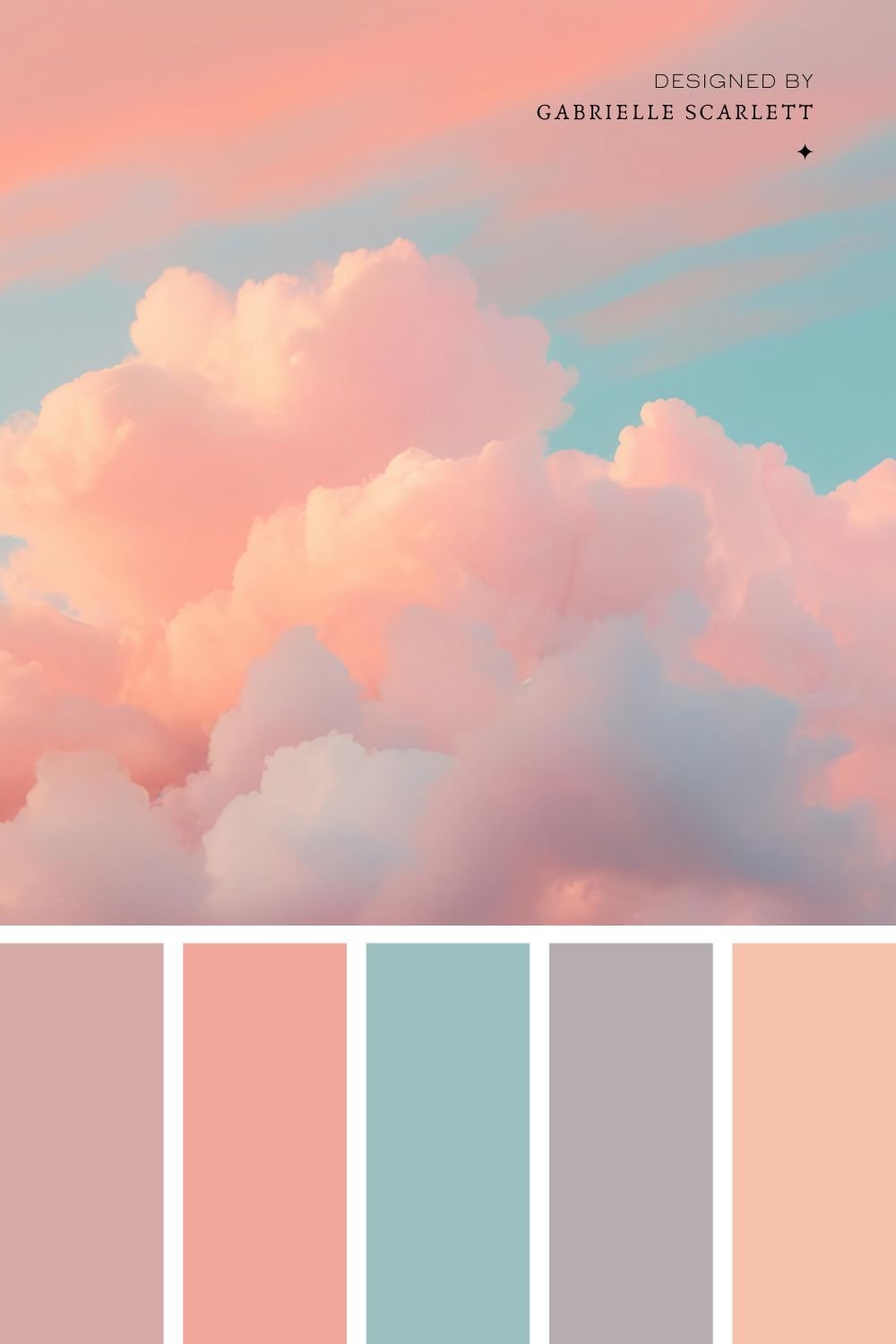
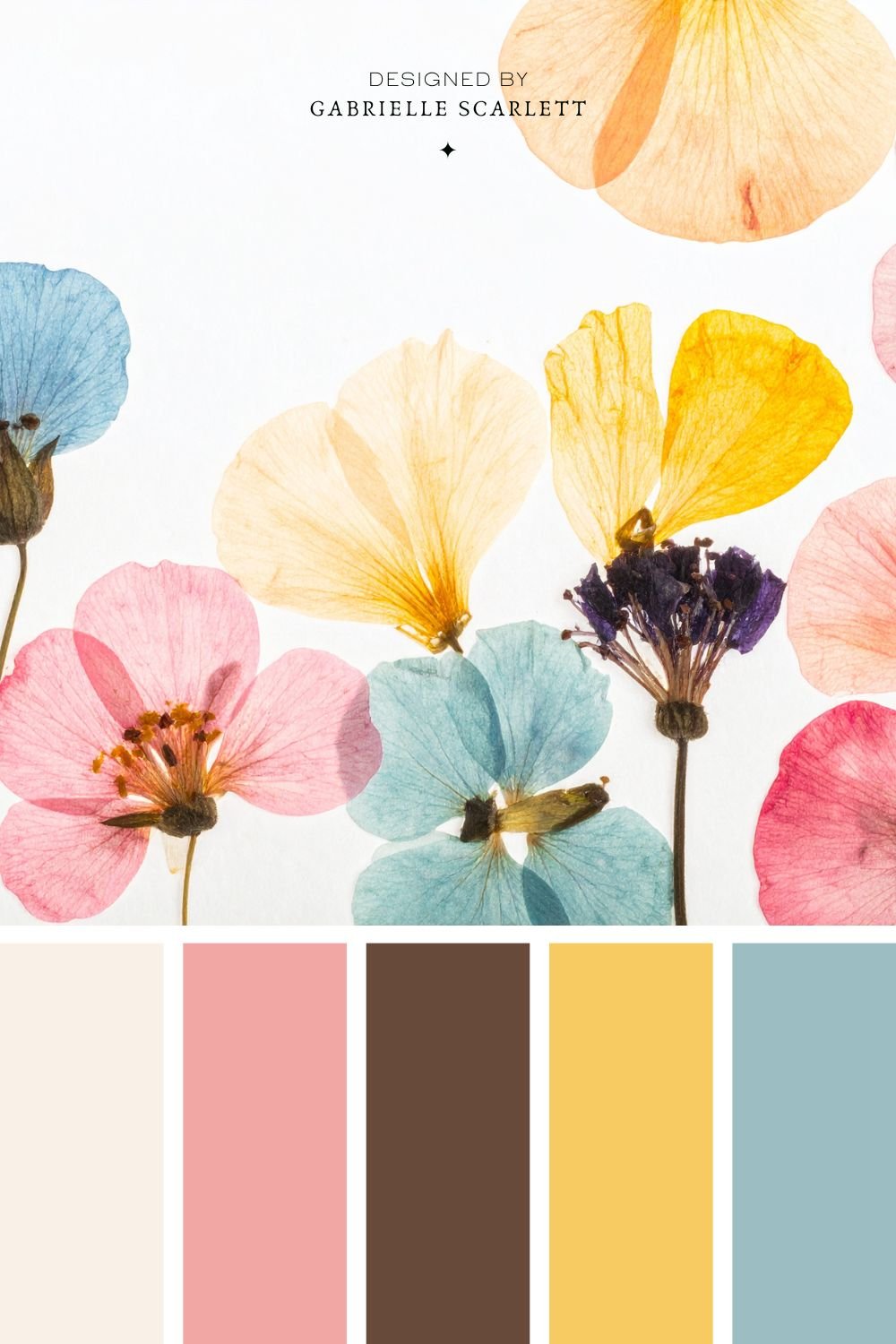
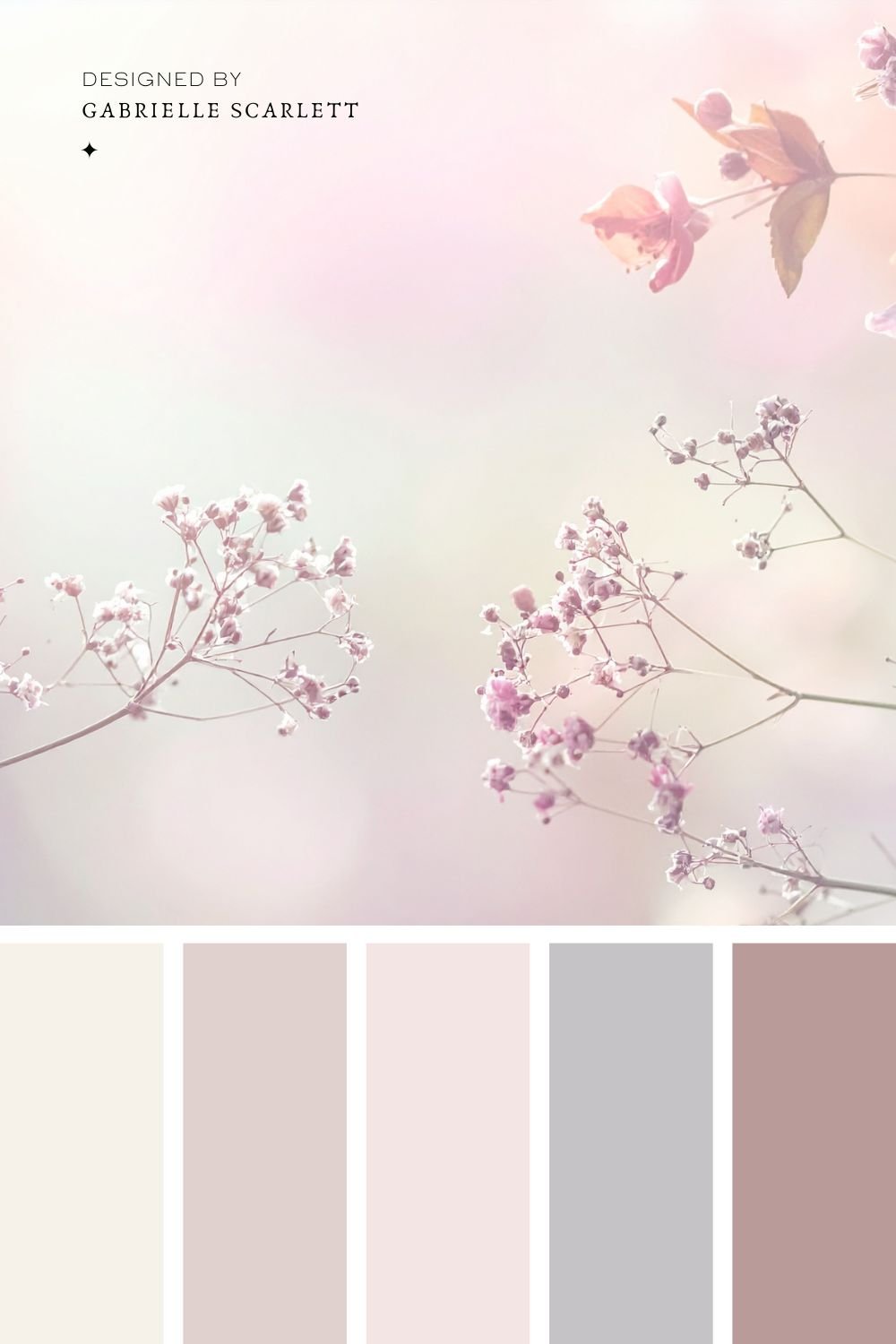
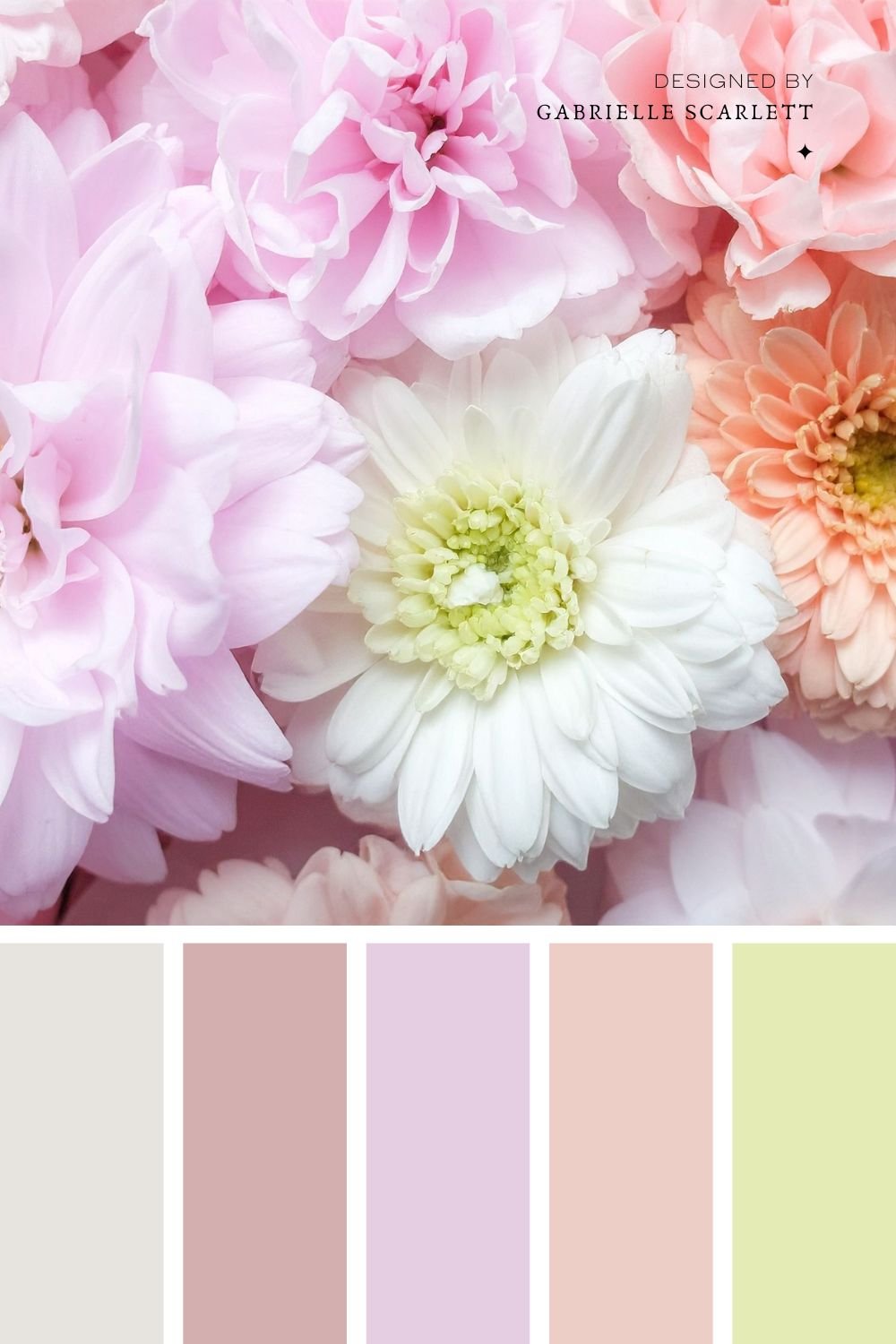
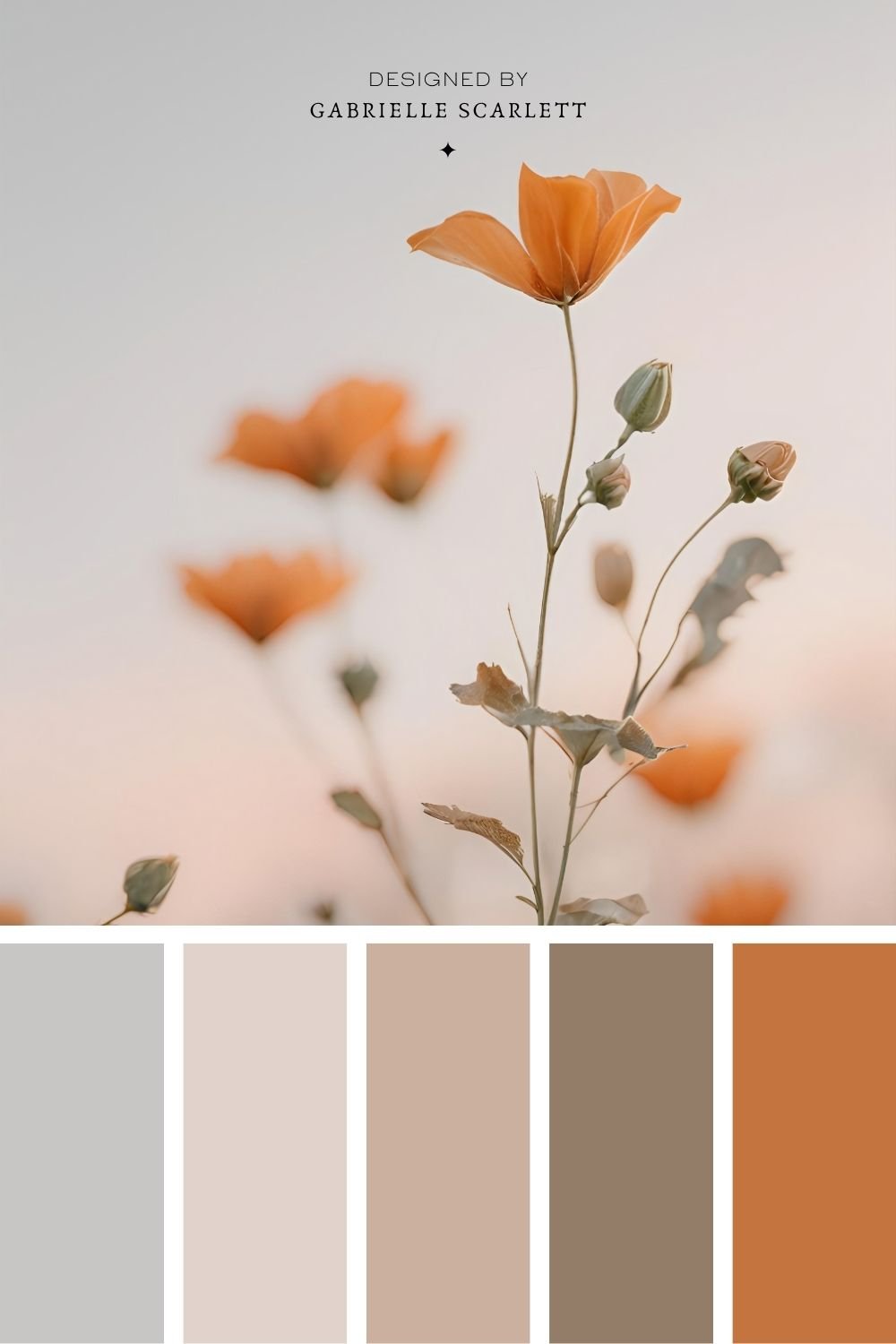
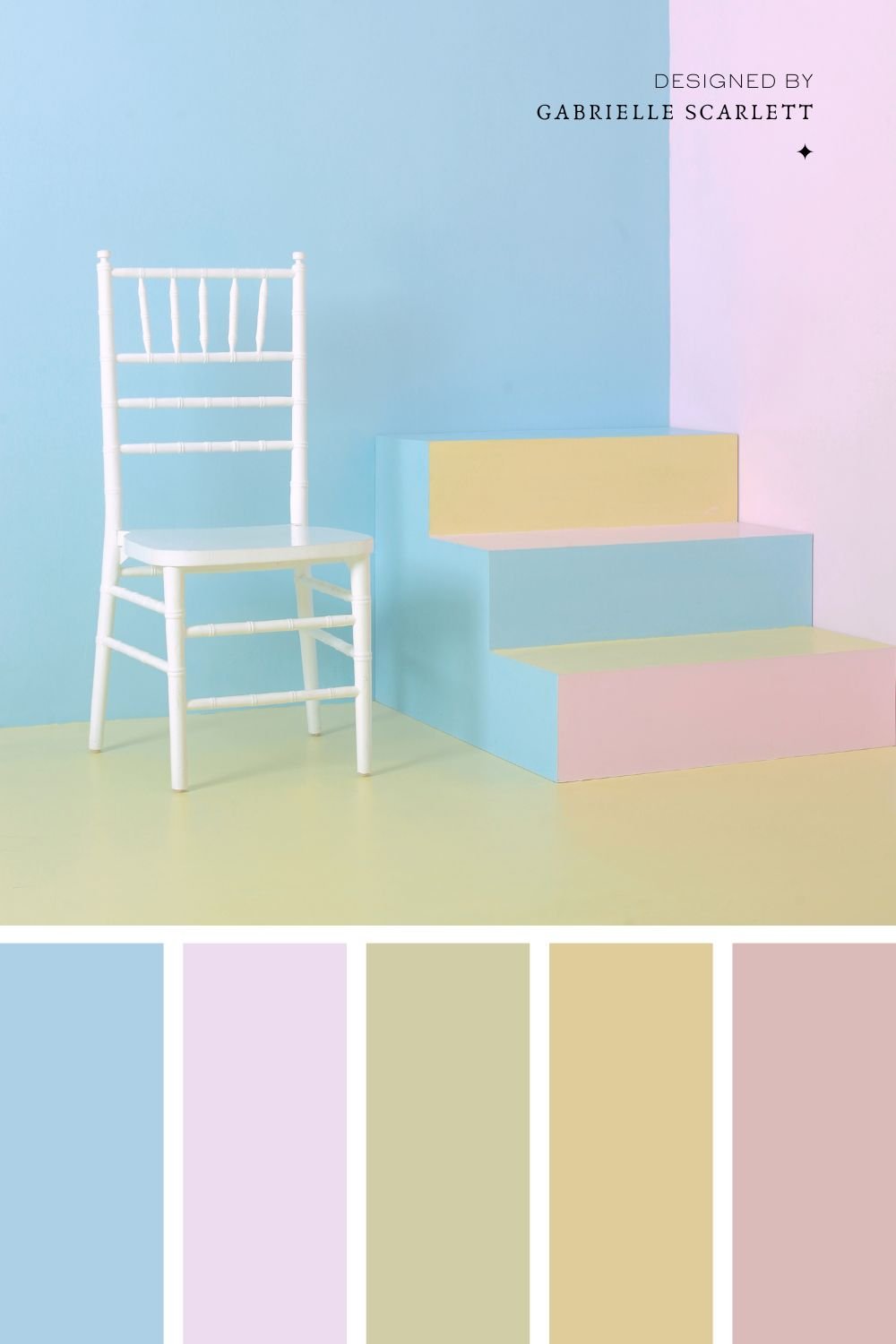
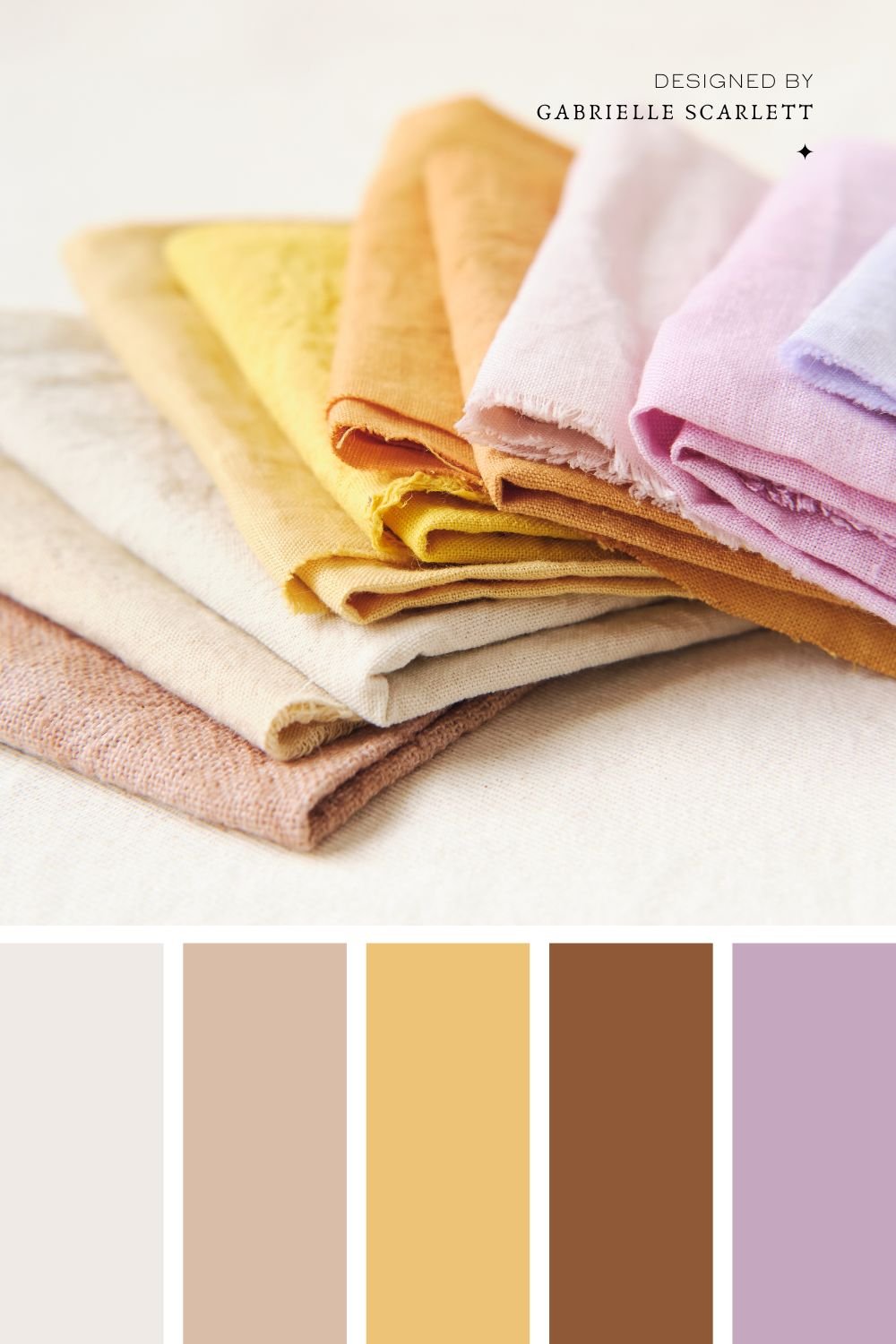
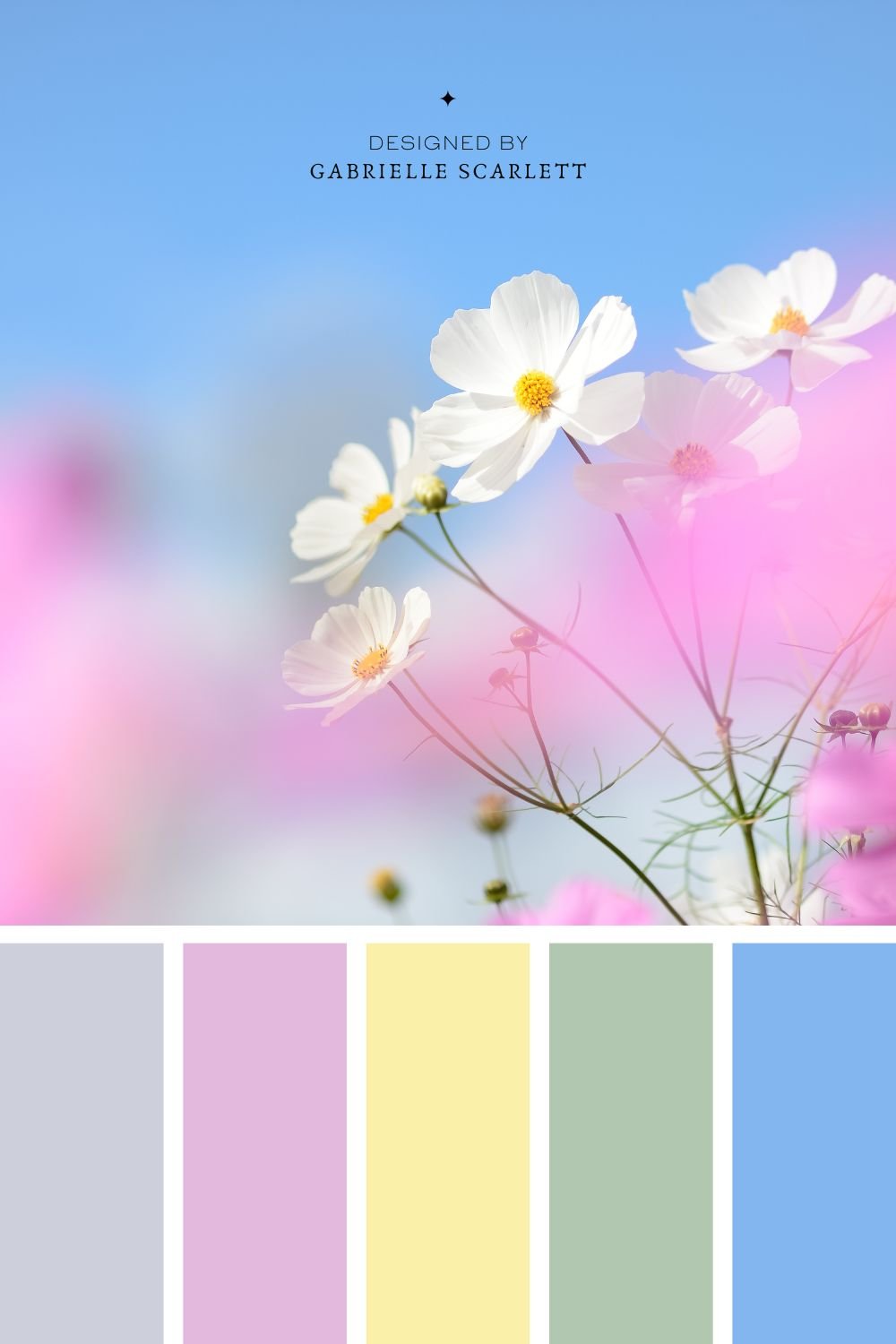
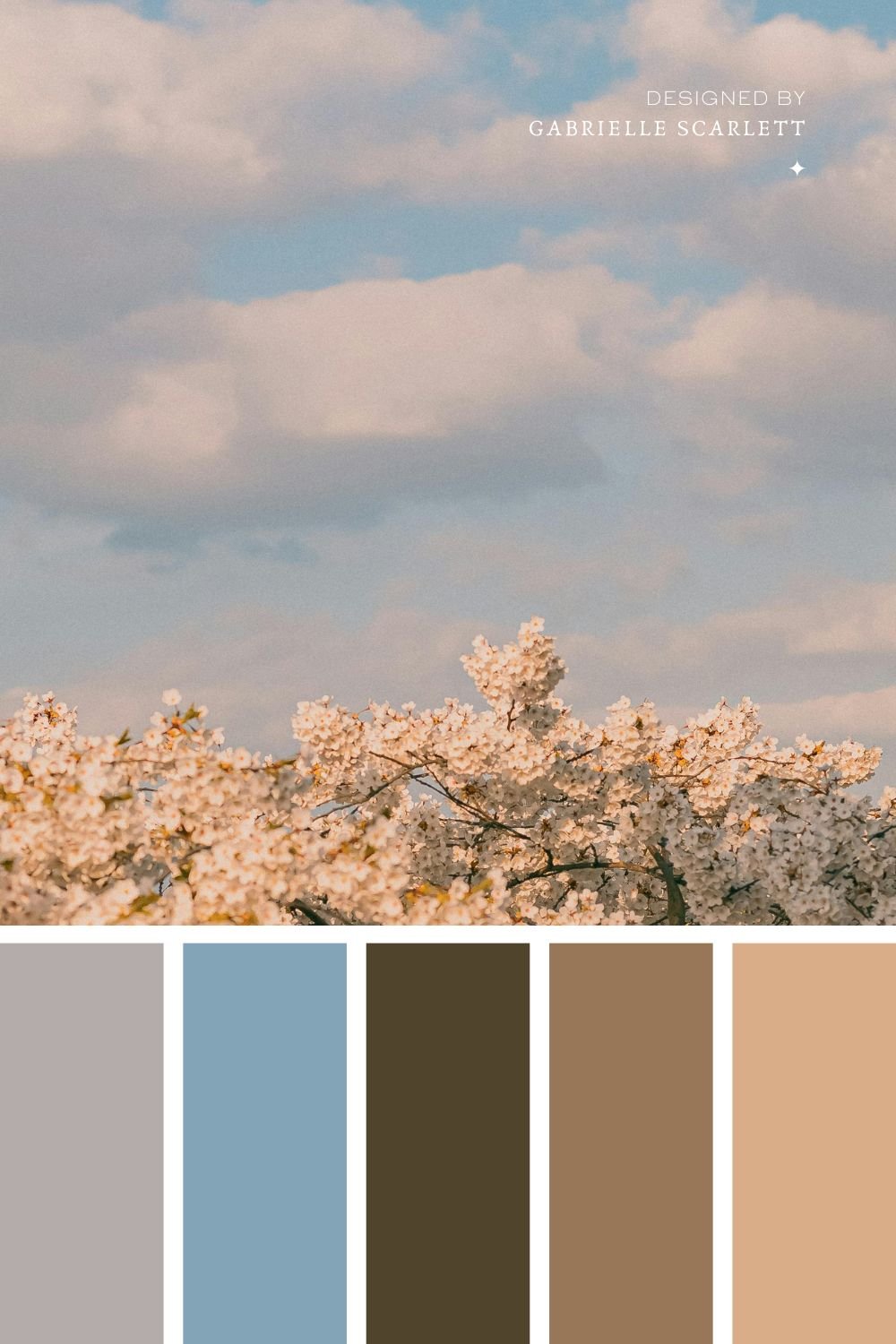
Pastel palettes can be pulled from all kinds of natural inspiration sources! And even if you’re choosing different hues from the images you select, it’ll be easier to keep them cohesive without a lot of work after the fact, because they’re coming from the same lighting scenario. If you find an image like any of the ones included here as inspiration, and you colour pick a green from a flower stem, a cream from a wall, and a light blue from a petal – what you’re doing, is selecting colours that exist consistently in the same environment. And with pastel inspiration photos, they’re likely going to naturally create the same tone as the image you’re working with, which helps massively!
When you’re choosing from one image, it means the pro-tip I’m about to go over has essentially already been done for you!
Creating Cohesion in Any Colour Palette
My favourite way to create cohesion in any colour palette, is to put a little bit of one colour into each hue that you want to use. What does that mean? Well let’s say you wanted to create a light palette, that was warm, and centered around subtle neutrals. But you also wanted there to be a green, and a lighter purple included, that feel cohesive with the other warm neutrals you’ve selected.
Take some of your primary hue, and add just a touch of it into your green, and your purple! This will lightly (or heavily, depending on how much you add!) shift the new colour toward your base, and bring cohesion to the set of colours. This works SO well in a real-world environment, like with acrylics or oils. You can create your palette this way, and get so many incredible effects when it comes to things like, for example, how your shadows will appear in your final painting.
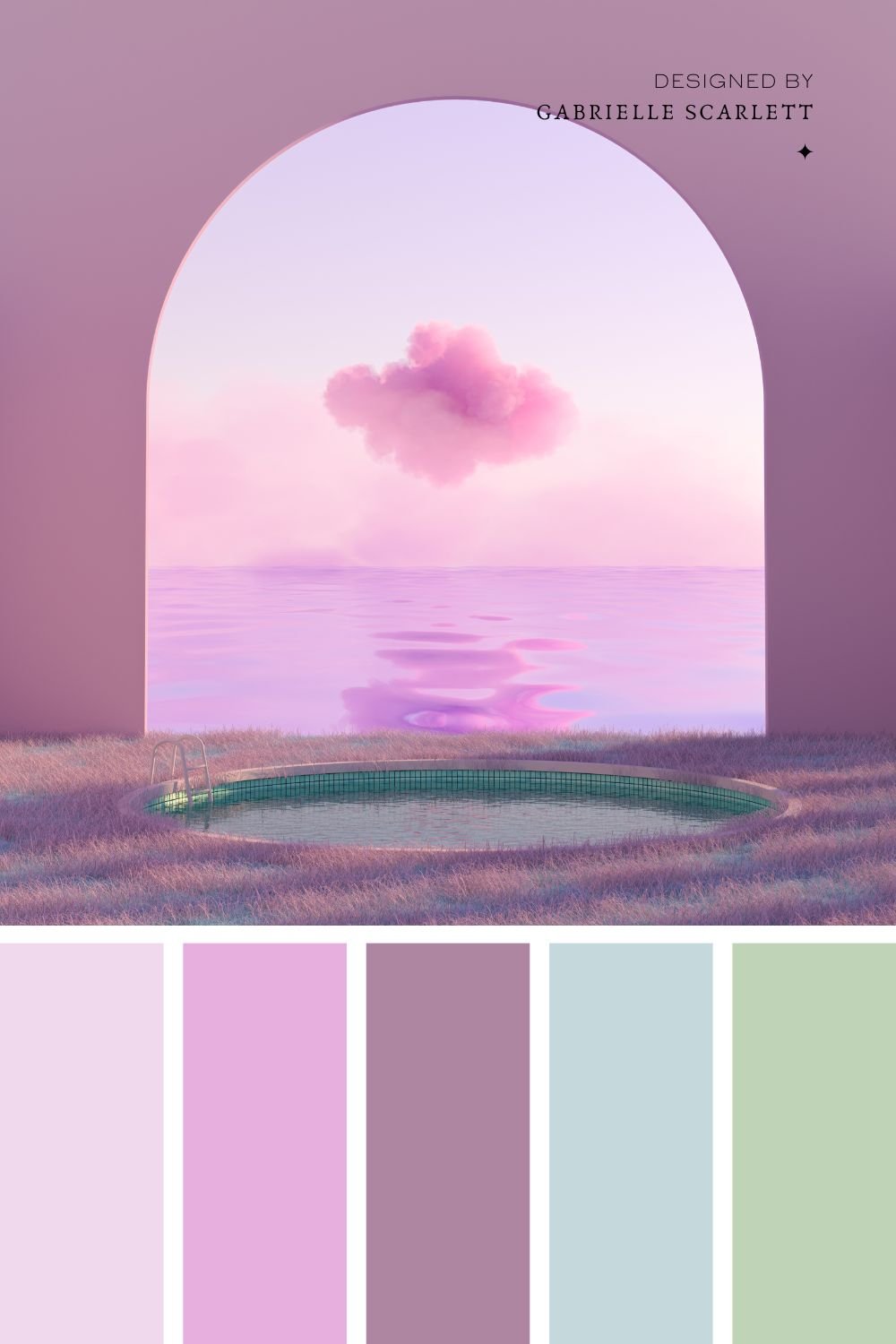
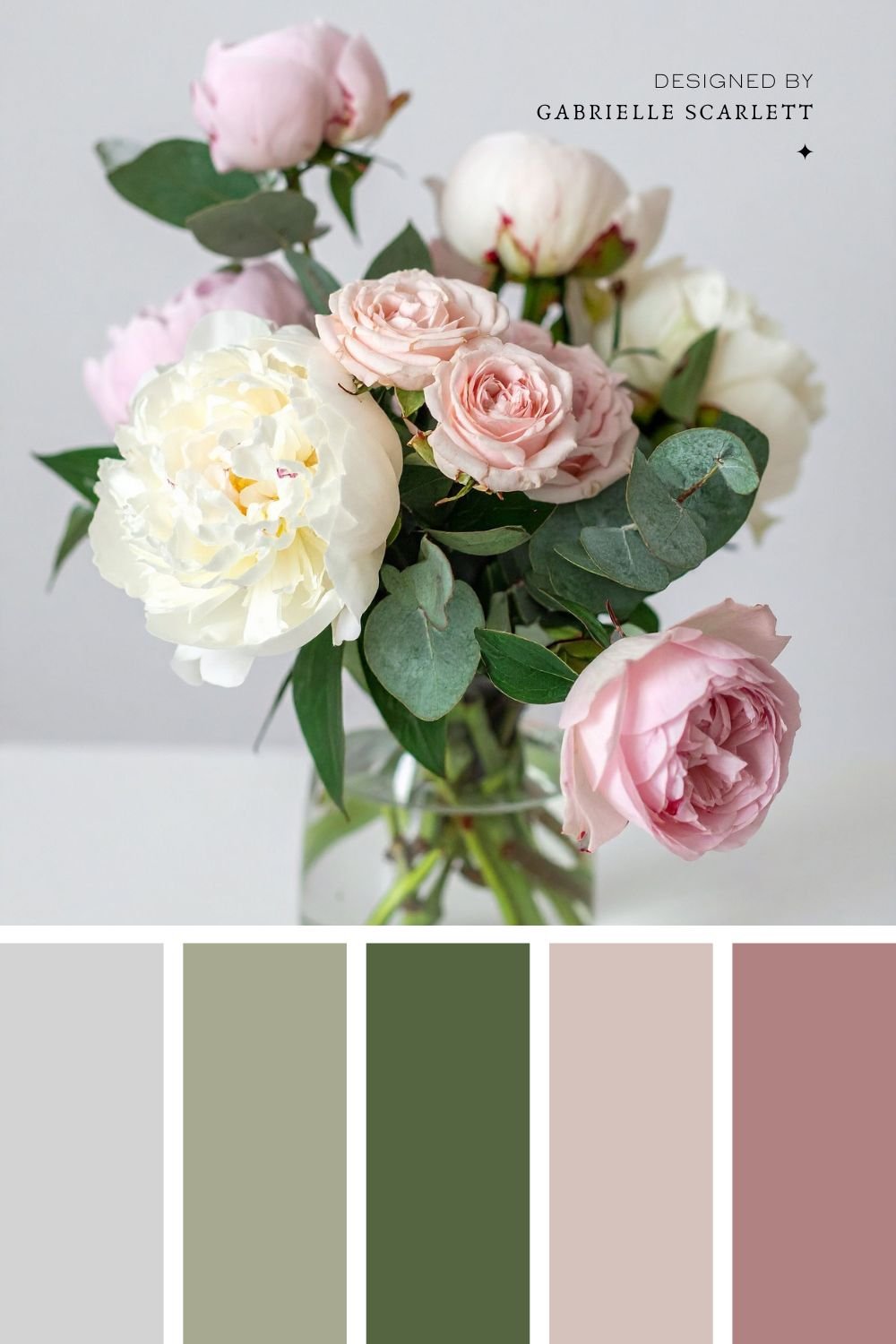
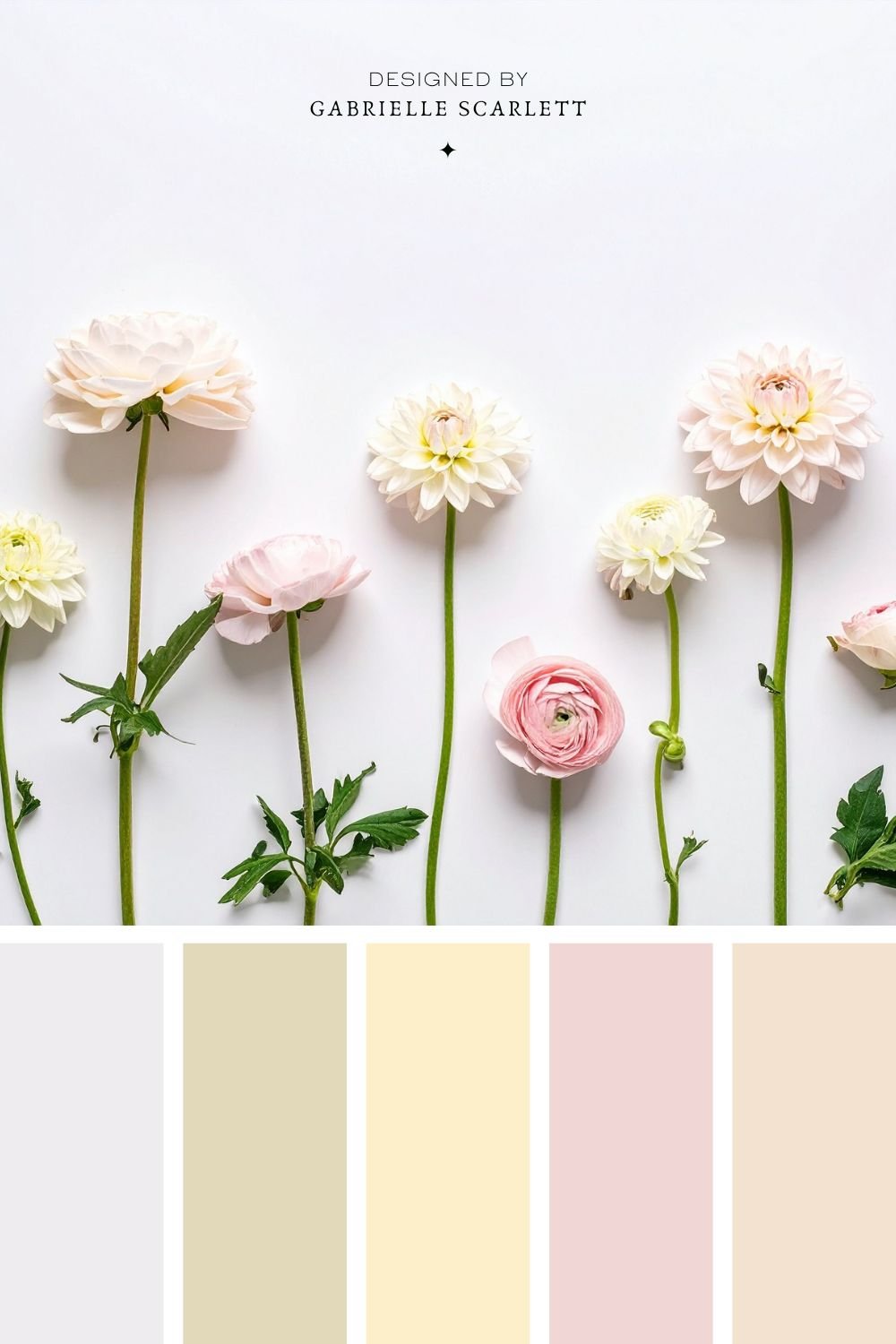
Pastel palettes keep things elevated.
I’ve been so excited to talk about creating a pastel palette, that I barely touched on their actual colour psychology! But part of that is because pastel colour palettes have a wide range of emotional impacts we can think about and talk about when it comes to their use.
Pastel palettes will naturally draw some amount of their emotional tone from the specific hues you use in them – so a pastel blue palette, and a pastel green palette, for example, will have different impacts than a pastel pink one, for example. For these monochromatic designations, we can lean on the psychology of each hue, just slightly adjusted for an airier application.
Green, for example, in pastel feels energetic, optimistic, but calm, and brings in the concepts of growth that standard green palettes do. The same can be said for blues, which, again as an example, lean into trust and power – but in pastel, the effect is lighter, muted, and elevated.
And this only gets more complex as you add hues to your palette!
No matter the palette, using colour is all about balance
I talk about balance a lot when it comes to colour palettes, but there’s a good reason for that! Deciding that you want your palette to be pastel, and then choosing some “light” feeling tones… it’s not enough. You have to think about balancing contrast – and for branding projects in particular, you’ll want to make sure you have some darker tones in there too, even if your aim is light pastels!!
Otherwise, you’ll end up with a flat presence online, even though you were going for “light, airy, calm, and somewhat grounding”. Without enough contrast, everything can blend together – which can be a great effect if what you’re working on is a painting, or even decorating a space can be done well that way, if you’re aiming for a light seaside vibe, for example. But for branding, that contrast is an accessibility feature, too!
Have an image you want to start your palette with?
These palettes make great starting points, but if you have a specific image or mood board you want to start with, you can totally do that instead! Grab your image or images, and then, get that colour picker going!! If you’re not a Canva user, or an Adobe guru, then sites like Coolers.co can make your process super simple. Just pop your image in, and it’ll generate palettes based on it for you to tweak and choose from! Adobe has a similar free tool here, if you’re more of an Adobe human.
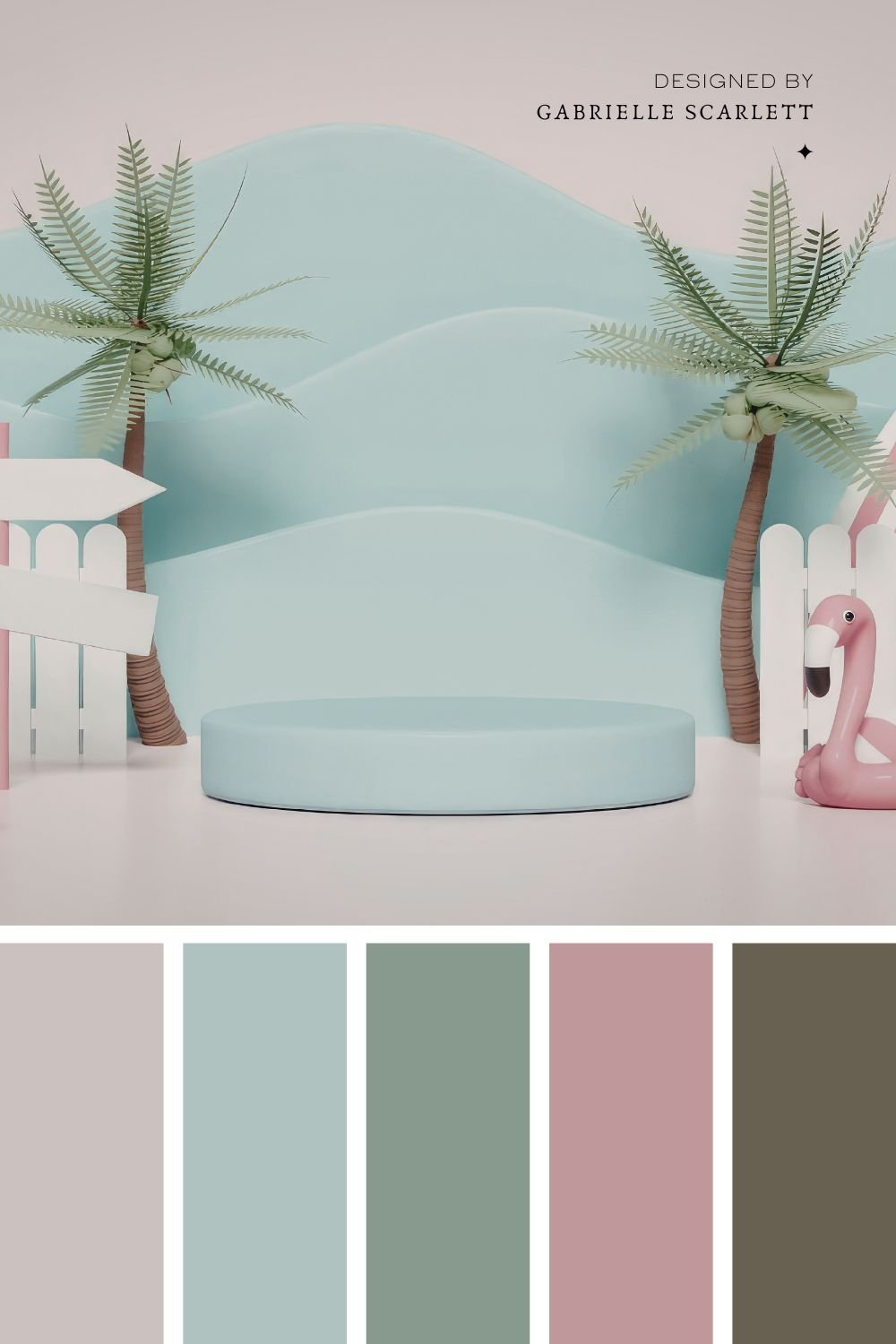
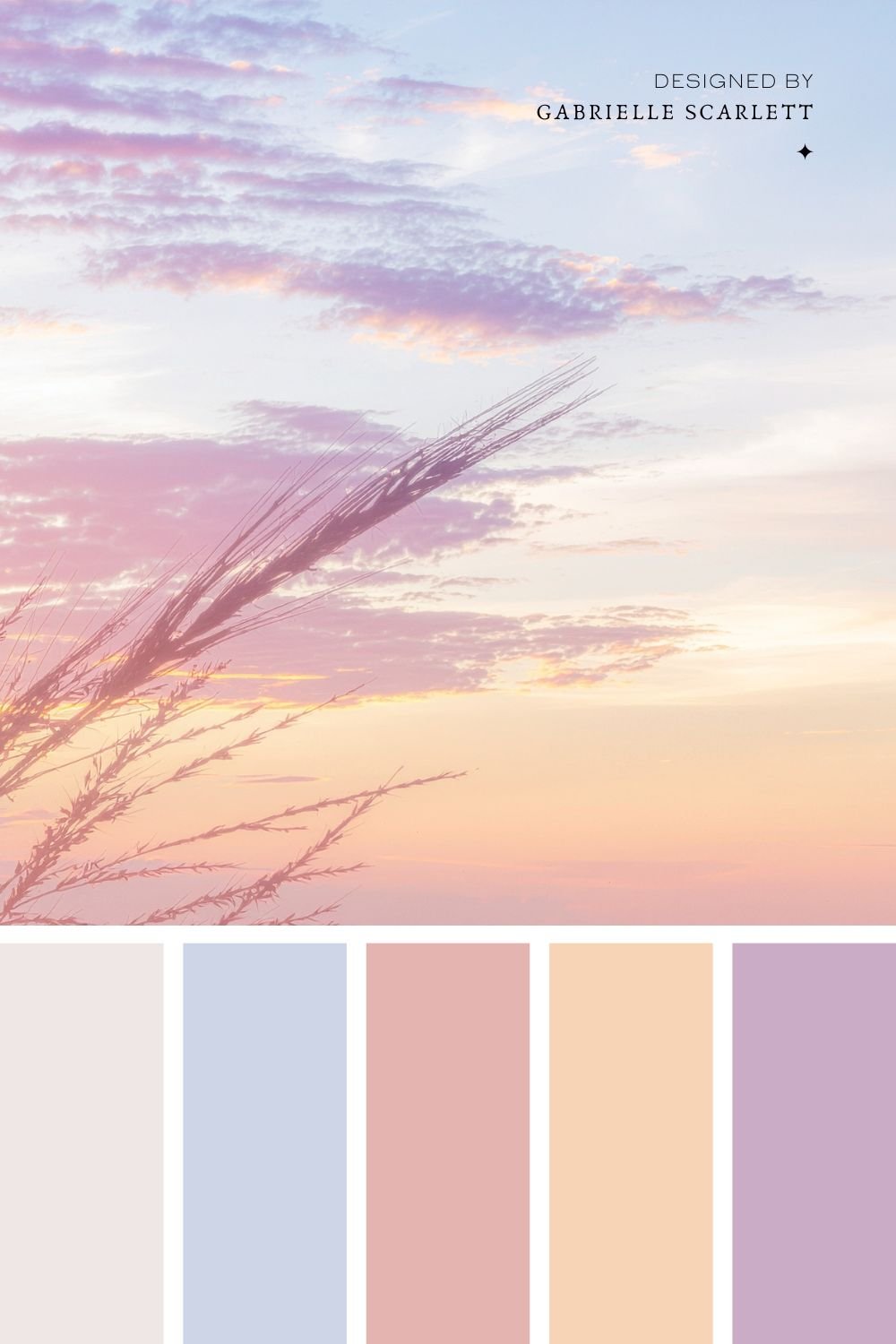
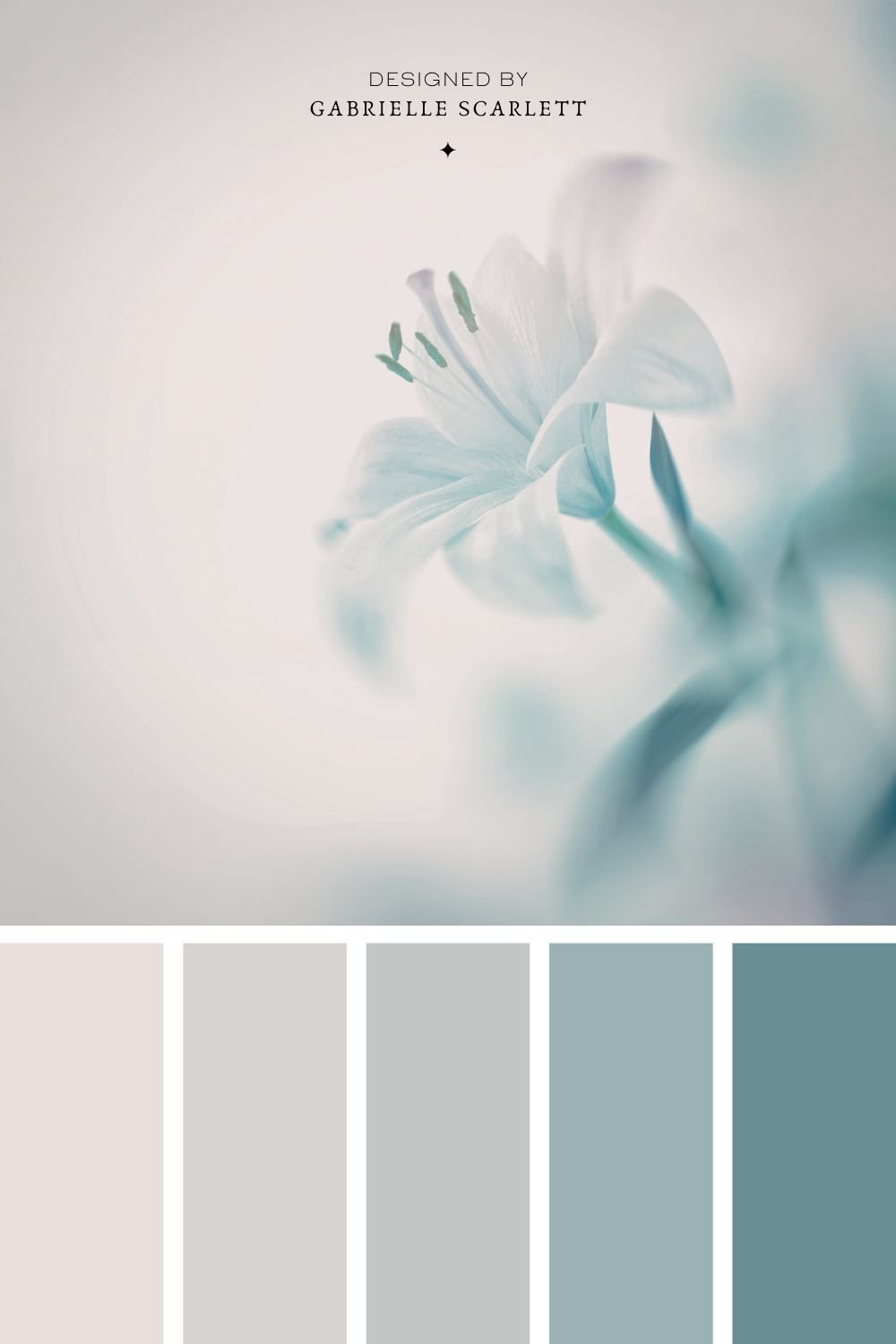
I have my pastel palette… now what’s next?
Start using it consistently! Success after rebranding (or branding for the first time) comes down largely to consistency. You want to make sure that once you’ve chosen your colour palette, you use it across all of your social media, as well as your entire online presence. Inject it into any branding images that you take for your company, including the wardrobe in your headshots. Make sure that the vibe created in your content aligns with the mood created by the palette!
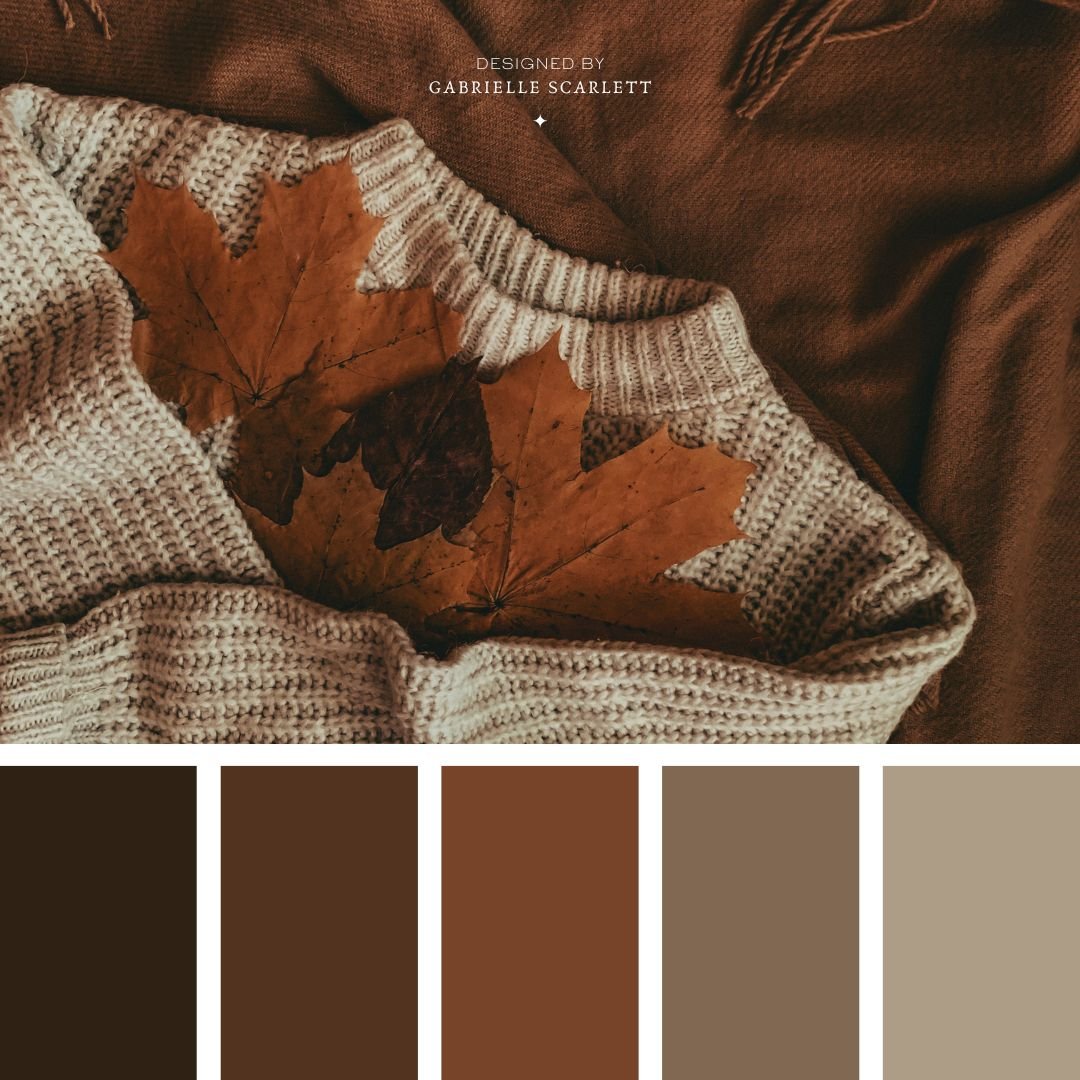
If your pastel palette leans into pink, or yellow – make sure you use that to inspire the wardrobe options you wear for branding photoshoots, for example. Same for pastel palettes that lean more into warm browns and neutrals! It’s all about consistency, and creating that magical ecosystem that your work feels natural in!
Can’t decide whether a pastel palette would work for your business’ brand?
If you’re stuck on whether a pastel palette might work for your branding, or your upcoming project, I’d love to have a chat! We can talk about whether pastel tones are actually the way to go, or whether the emotions you’re looking to instil in your audience would be better communicated with a different palette base entirely!
Happy designing!




Pin me for later!








0 Comments