

QUESTION: What’s a Favicon?
ANSWER: “Favicon” is the name of the little icon used to designate your website in a browser tab. It’s a merger of the words “Favourite” and “Icon”, from back in the days where it was more difficult to tell your favourites apart in your bookmark list.
What’s a Favicon?
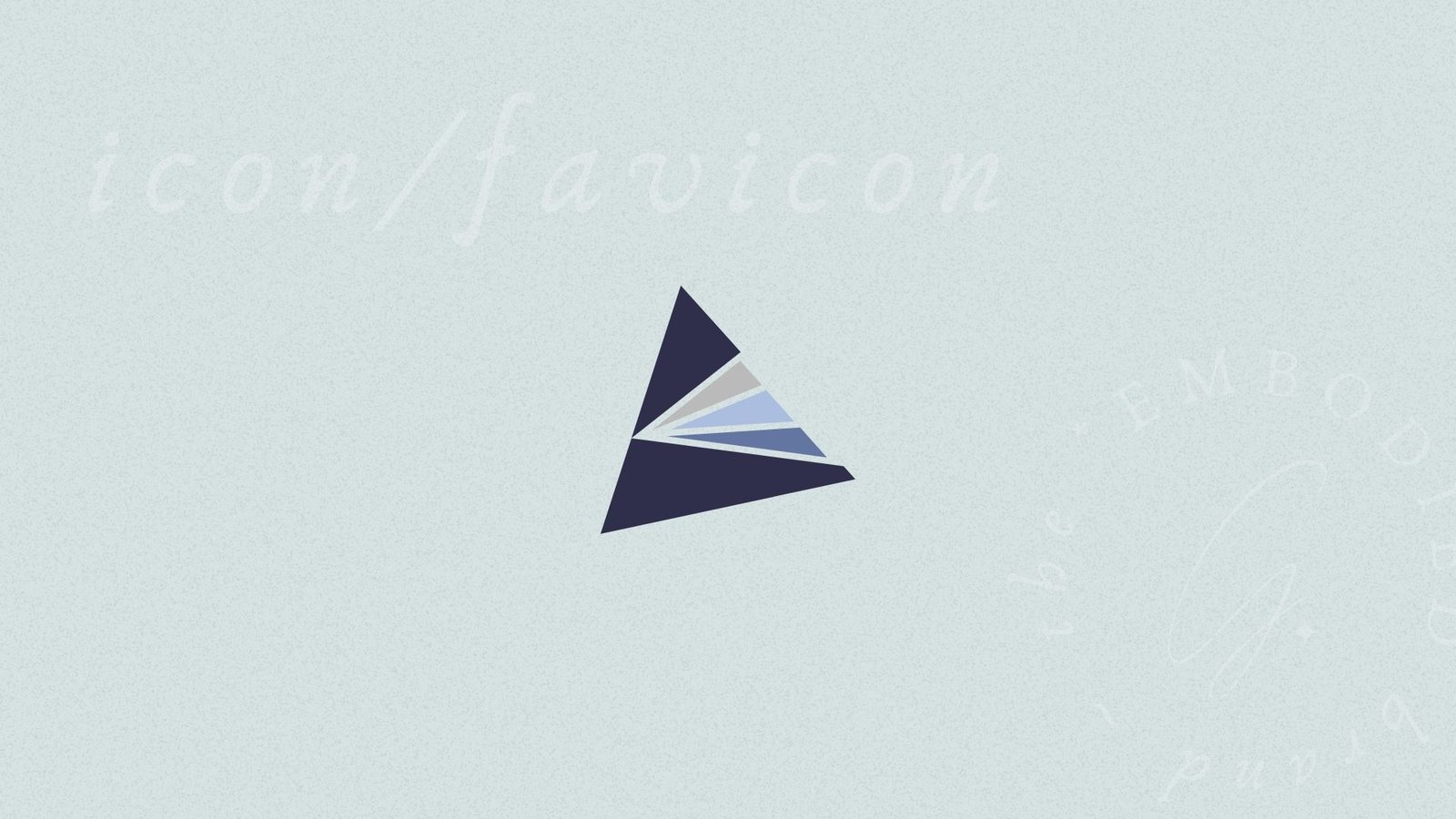
Your branding should be responsive – meaning it should fit into every space it could possibly need to. And one of those spaces? Well, you might be looking at it right now. It’s that tiny little spot at the top of your browser tab – the “favicon”. It’s most common usage is that placement, and that’s why it needs to be super simple. Even on a big screen, it’s going to be mere millimeters – and that means it needs CLARITY.
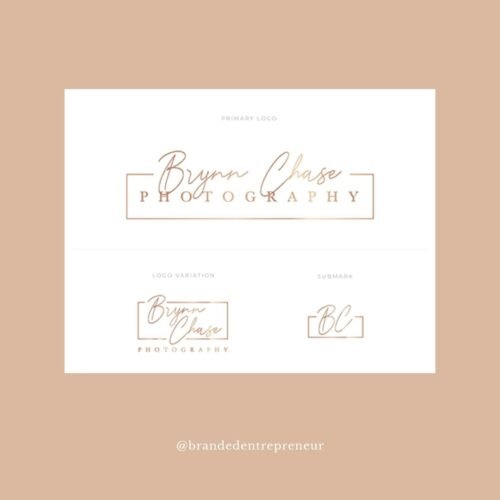
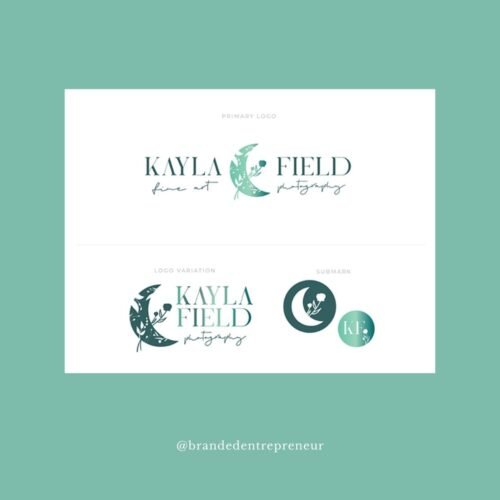
It’s got to be recognizable at fractions of an inch – and that’s not usually possible with the primary or secondary logo in your brand. So it means having something specifically designed to fit into your suite, and hold up that pillar of brand content placement!
Where did “Favicon” come from?
Favicons might feel like they’re a relatively new thing, but believe it or not… they’re not, they’re a child of the 90s! Well, 1999, but it still counts. That’s when Microsoft’s Internet Explorer 5 launched, the first browser to have support for favicons built in. Originally, the favicon had more than one use – first, it was a visual guide for users. Which is just a fancy way for me to say “it showed up in your favourites list when you bookmarked a website”. As users we like visual cues, and anything that made browsing & computer use easier in 1999 was a win!
As a side note, that’s also where “favicon” as a name came from – it’s a portmanteau of “favourite” and “icon”. Because it was an icon that went in your favourites list. Not the most creative name in the world, but it works!
Uses for a Favicon
Like I said, originally, the favicon was a little icon that would appear in your favourites list when you bookmarked a website. And now, it commonly appears as an identifier for your tabs when you’re browsing. Favicons have been used in various ways by browsers over time, including showing up in the URL bar on Safari, to functioning as the website shortcut if you save a webpage to your desktop/computer overall.
And originally, back before we had robust analytics for websites as a whole, the calls for the favicon could help website owners estimate how many people had bookmarked their website! Since browsers use favicons in all kinds of ways now, whether or not you’ve bookmarked it, that no longer works. But, pretty cool at the time, right?

Favicons BEYOND Your Website
When you have a responsive brand suite designed, naturally it’s going to include a favicon, because that’s one of the baseline items packages should have. And of course, using it as your favicon for your website makes sense! But favicons can have a ton of other uses, because no single branding element has just one set use, and there’s a ton of value in having something so small, it’s recognizable even teeny tiny!
For example, you’ve likely noticed that some of your favourite apps use their favicon as their app cover! They also use them as their social media profile photos, super commonly. And these placements make sense, right? They’re best done with simple, streamlined, recognizable items, that users can 100% identify even if they’re super small in a comment section.
This means that on some platforms, if you use social ads, it’ll appear as the user profile for your ad campaigns, helping to add reach to your brand recognition.
But there are things in the physical world you can use your favicon for, too! It makes a great pocket-embroidery on elegant, high-end business merch, or a stamp to use as a tiny hand-added detail to things like printed materials.
And that doesn’t stop either – the “detail” part – because your favicon makes a great addition to layouts like your slide decks, social posts, and more, that way even if you’re presenting dense information and want to keep your slide decks simple, for example, you can still include a branded visual element in the design!
Does YOUR Branding Include a Favicon?
So – does your branding include a favicon? What’s the smallest recognizable mark included in your branding? Does it work in the tiny little space on your browser tab? If not… it might be time to work with a professional to create a favicon that can shrink small enough to work in those placements. It’ll give you the opportunity to update the default icon used by your website (no one wants the little Squarespace cube, or WordPress “W” on their tab, trust me), and add a responsive item to your suite for use across your presence overall!
And if you ARE in the position to be looking for professional support… look no further. I’d love to talk to you about creating a branding suite, or expanding the suite you already have!









0 Comments